Pennsylvania Department of Health
ELAN SKILLED NURSING AND REHAB, A JEWISH SENIOR LIFE COMMUNI
Patient Care Inspection Results

Note: If you need to change the font size, click the "View" menu at the top of the page, place the mouse over the "Text Size" menu item, and select the desired font size.

Severity Designations

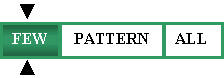
Click here for definitions Click here for definitions Click here for definitions Click here for definitions
Minimal Citation - No Harm Minimal Harm Actual Harm Serious Harm
ELAN SKILLED NURSING AND REHAB, A JEWISH SENIOR LIFE COMMUNI
Inspection Results For:

There are  99 surveys for this facility. Please select a date to view the survey results.

Surveys don't appear on this website until at least 41 days have elapsed since the exit date of the survey.
ELAN SKILLED NURSING AND REHAB, A JEWISH SENIOR LIFE COMMUNI - Inspection Results Scope of Citation
Number of Residents Affected
By Deficient Practice
Initial comments:Based on a Medicare/Medicaid Recertification, State Licensure, Civil Rights Compliance, and Abbreviated Complaint survey completed on November 21, 2025, it was determined that Elan Skilled Nursing and Rehab was not in compliance with the following requirements of 42 CFR Part 483 Subpart B Requirements for Long Term Care and the 28 PA Code Commonwealth of Pennsylvania Long Term Care Licensure Regulations. 


 Plan of Correction:


483.90(i)(4) REQUIREMENT Maintains Effective Pest Control Program:This is a less serious (but not lowest level) deficiency but was found to be widespread throughout the facility and/or has the potential to affect a large portion or all the residents.  This deficiency is one that results in minimal discomfort to the resident or has the potential (not yet realized) to negatively affect the resident's ability to achieve his/her highest functional status.
§483.90(i)(4) Maintain an effective pest control program so that the facility is free of pests and rodents.
Observations: Based on observations, a review of facility policy, facility-provided documentation, and interviews with residents and staff, it was determined that the facility failed to maintain an effective pest control program to ensure the facility was free of insects, pests, and rodents on two out of four resident nursing units (Nursing Units 3 and 5). Findings include: According to the Centers for Disease Control (CDC), in "Controlling Wild Rodent Infestations," rodents can carry many diseases that can spread directly or indirectly to people, including through contact with rodent droppings, urine, or saliva. Signs of rodents include droppings (feces) and gnaw marks. The CDC indicates that to determine if the activity is current, regular cleaning and disinfecting are required. When droppings are identified following cleaning, it can confirm the presence of rodents. A review of the facility policy titled "Pest Control," last reviewed by the facility on January 20, 2025, revealed that it is the facility policy to maintain an effective pest control program. The policy indicated the facility maintains an on-going pest control program to ensure that the building is kept free of insects and rodents. A review of a facility-provided document dated September 28, 2025, indicated a work order was entered into the facility's maintenance system regarding fruit flies on Nursing Unit 3. Further review of the document revealed that the work order was completed on September 29, 2025. A review of a facility-provided document dated October 24, 2025, indicated a work order was entered into the facility's maintenance system regarding fruit flies on Nursing Unit 3 going on residents' food, and to please take care of this issue. Further review of the document revealed the work order was completed on October 24, 2025. A review of contractor pest management records from September 2025 through November 2025 revealed no documented evidence that the facility made the company aware of fruit fly issues at the facility. Observations on November 19, 2025, at 12:20 PM revealed four small black flying insects on the ceiling in the Unit 3 resident dining area. Two small black flying insects were observed on the backsplash of the sink in the Unit 3 resident dining area. During a phone interview on November 20, 2025, at 12:50 PM, the pest management contractor confirmed he did not treat for fruit flies or drain flies in the past few months. The pest management contractor indicated the facility did not inform him of any issues regarding fruit flies, nor did he identify any issues during observations. During an interview on November 20, 2025, at 12:55 PM, the Director of Maintenance indicated that the facility has been utilizing a drain maintainer cleaning agent to sanitize drains on the nursing units. He also indicated that the maintenance and custodial department staff spray areas throughout the facility with an indoor-outdoor pesticide and insecticide designed to target fruit flies and flying insects. A clinical record review revealed Resident 68 was admitted to the facility on May 5, 2022, with diagnoses that include paraplegia (a condition characterized by the loss or impairment of motor and sensory functions in the lower half of the body). A review of a quarterly Minimum Data Set assessment (MDS, a federally mandated standardized assessment process conducted periodically to plan resident care) dated October 8, 2025, revealed that Resident 68 was cognitively intact with a BIMS score of 15 (Brief Interview for Mental Status, a tool within the Cognitive Section of the MDS that is used to assess the resident's attention, orientation, and ability to register and recall new information; a score of 13 to 15 indicates cognition is intact). During an interview on November 19, 2025, at 2:10 PM, Resident 68 indicated that she has been seeing mice in her room for over a month. Resident 68 explained that she is upset because she found a candy bar that was partially eaten by a mouse. She explained that the candy was a gift from a family member. An observation on November 19, 2025, at 2:15 PM in Resident 68's room revealed a drawer with 1.0 millimeter x 1.0 millimeter pieces of candy bar wrapper. Amongst the small shreds of paper were small pieces of chocolate and one mouse-like dropping (a small, long, black pellet that is tapered at the ends, resembling a black grain of rice). Further observation revealed multiple mouse-like droppings around the perimeter of Resident 68's room. An observation on November 20, 2025, at 11:44 AM in resident room #512 revealed mouse-like droppings behind the window-side dresser and reclining chair. An observation on November 20, 2025, at 11:51 AM in resident room #508 revealed several mouse-like droppings behind the door-side reclining chair and in both resident closets. A review of pest management records from September 2025 through November 2025 revealed no documented evidence that the pest management contractor identified any mouse activity (mouse droppings or gnaw marks) until inquiries were made during the survey ending on November 21, 2025. The above findings were reviewed with the Director of Nursing (DON) and Nursing Home Administrator (NHA) on November 21, 2025, at 11:30 AM. The facility failed to maintain an effective pest control program to ensure the facility was free of insects, pests, and rodents on two nursing units. 28 Pa. Code 201.18 (e)(2.1) Management.
 Plan of Correction - To be completed: 01/13/2026

Elan Skilled Nursing and Rehab (facility) submits this Plan of Correction under procedures established by the Department of Health in order to comply with the Department's directive to change conditions which the Department alleges are deficient under State and Federal regulations relating to long-term care. This Plan of Correction should not be construed as either a waiver of the facility's right to appeal or an admission of past or ongoing violations of State and Federal regulatory requirements.

Rodent dropping identified at time of survey were cleaned.

On 12/5/25 the facility Director of Maintenance and NHA met with Ehrlich Pest Control. Ehrlich was made aware of fly concern on the 3rd Floor. Fly prevention and monitoring will be included with Ehrlich weekly scheduled service visits.

Resident #68 had her candy bar replaced.

Ehrlich Supervisor to the facility on 12/5/25. A visual inspection was performed on all floors related to reported rodent infestation. A remediation plan was initiated to include bi-weekly and as needed ongoing site treatment.

An initial audit of the 5th Floor was conducted by the EVS Manager to identify areas with signs of rodent infestation and rooms containing opened food sources. Open food sources were secured in plastic containers to prevent attracting rodents.

NHA/designee will educate the Director of Maintenance and the EVS Manager on maintaining an effective pest control program to ensure that the facility remains free of pests and rodents.

EVS Manager/designee will conduct an audit of the 5th Floor to identify signs of rodent infestations and unsecured food sources. To verify ongoing compliance, audits will be conducted daily x 4 weeks then weekly x 3 months.

Ongoing audits will be conducted by the Director of Maintenance/designee of the 3rd floor to identify the presence of flies and timely notification of pest control if flies are present. To verify ongoing compliance, audits will be conducted daily x 4 them weekly x 3 months.

Audit reports will be reported to the Quality Assurance Performance Improvement committee monthly x 3 months for review and revision as needed.


483.20(g)(h)(i)(j) REQUIREMENT Accuracy of Assessments:This is a less serious (but not lowest level) deficiency and affects more than a limited number of residents, staff, or occurrences. This deficiency is one that results in minimal discomfort to the resident or has the potential (not yet realized) to negatively affect the resident's ability to achieve his/her highest functional status. This deficiency was not found to be throughout this facility.
§483.20(g) Accuracy of Assessments.
The assessment must accurately reflect the resident's status.

§483.20(h) Coordination. A registered nurse must conduct or coordinate each assessment with the appropriate participation of health professionals.

§483.20(i) Certification.
§483.20(i)(1) A registered nurse must sign and certify that the assessment is completed.
§483.20(i)(2) Each individual who completes a portion of the assessment must sign and certify the accuracy of that portion of the assessment.

§483.20(j) Penalty for Falsification.
§483.20(j)(1) Under Medicare and Medicaid, an individual who willfully and knowingly-
(i) Certifies a material and false statement in a resident assessment is subject to a civil money penalty of not more than $1,000 for each assessment; or
(ii) Causes another individual to certify a material and false statement in a resident assessment is subject to a civil money penalty or not more than $5,000 for each assessment.
§483.20(j)(2) Clinical disagreement does not constitute a material and false statement.
Observations: Based on review of the Resident Assessment Instrument (RAI) Manual, clinical records, and staff interviews, it was determined that the facility failed to complete an accurate Minimum Data Set for three of 30 residents sampled (Resident 11, 43, and 133). Findings include: The Long-Term Care Facility RAI User's Manual, which provides instructions and guidelines for completing the Minimum Data Set (MDS,a federally mandated standardized assessment conducted at specific intervals to plan resident care) dated October 2025, requires the assessment accurately reflects the resident's status, a registered nurse conducts or coordinates each assessment with the appropriate participation of health professionals, and the assessment process includes direct observation, as well as communication with the resident and direct care staff on all shifts. A clinical records review revealed Resident 11 was admitted to the facility on March 1, 2019 with diagnoses including Borderline Personality Disorder (a serious mental illness that involves difficulty regulating emotions, leading to impulsivity) and Post Traumatic Stress Disorder (mental health condition that's caused by an extremely stressful or terrifying event and may include flashbacks, nightmares, severe anxiety and uncontrollable thoughts about the event). A review of the quarterly MDS dated June 3, 2025, section M (section addressing skin conditions such as pressure injury, surgical ulcers, and diabetic ulcers) documented Resident 11 experienced no skin conditions during the assessment reference period. Further review of Resident 11's clinical records, specifically the document titled, Wound Evaluation &; Management Summary, Specialty Physician, dated May 27, 2025, documented a surgical wound of the left neck area, measuring 0.8 cm (length) x 0.8 (width) x 0.5 cm (depth). An interview with the Registered Nurse Assessment Coordinator (RNAC) on November 20, 2025, at 8:54 AM acknowledged the quarterly June 3, 2025, MDS for Resident 11 did not accurately reflect the presence of the left neck surgical wound. The RNAC entered a subsequent correction for the MDS to accurately document the skin condition for Resident 11. According to the clinical record, Resident 133 was admitted to the facility on July 10, 2024, with diagnoses to include fracture of an unspecified part of the right clavicle (broken collar bone) and cellulitis (skin infection) of the right upper limb (arm). The quarterly MDS dated April 22, 2025, section J (section addressing falls) documented that Resident 133 experienced no falls since admission/readmission or prior assessment. Upon clinical review, Resident 133 experienced a fall on March 6, 2025. The March 6, 2025, fall experienced by Resident 133 was not accurately documented in the quarterly, April 22, 2025, MDS. An interview with the RNAC on November 20, 2025, at 8:54 AM acknowledged the quarterly MDS for Resident 133 did not accurately document the fall history and entered a subsequent correction for the MDS. A clinical record review documented Resident 43 was admitted to the facility on July 5, 2019, with diagnosis to include right artificial shoulder joint (device used to replace a joint). The annual MDS dated May 2 ,2025, section J (section addressing falls) indicated Resident 43 experienced no falls since admission/ readmission or prior assessment. Upon further review of Resident 43's clinical records, three falls occurred within the assessment reference period for the May 2, 2025, MDS. Resident 43 experienced a fall on February 15, 2025, which resulted in injury. Specifically, the fall on February 15, 2025, resulted in a left forehead hematoma (blood collects outside the blood vessel). According to the clinical records, Resident 43 experienced a fall on April 1, 2025 (no injury) and on April 22, 2025 (no injury). An interview with the RNAC on November 20, 2025, at 1:54 PM acknowledged the annual MDS for Resident 43 did not accurately reflect the fall history and the three falls were not present on the annual MDS. The RNAC entered a subsequent correction for the MDS. 28 Pa. Code 211.5(f)(iii) Medical records 28 Pa. Code 211.12(d)(1)(5) Nursing services
 Plan of Correction - To be completed: 01/13/2026

Elan Skilled Nursing and Rehab (facility) submits this Plan of Correction under procedures established by the Department of Health in order to comply with the Department's directive to change conditions which the Department alleges are deficient under State and Federal regulations relating to long-term care. This Plan of Correction should not be construed as either a waiver of the facility's right to appeal or an admission of past or ongoing violations of State and Federal regulatory requirements.

Resident #11 had a corrected MDS submitted on 11/20/2025.
Resident #133 had a corrected MDS submitted on 11/20/2025.
Resident #43 had a corrected MDS submitted on 11/20/2025


The Affinity Regional Coordinator or designee will re-educate MDS Coordinator and in-house RNAC regarding the Resident Assessment Instrument (RAI) Manual guidance for coding of both skin impairments and falls via MDS sections J and M.

The MDS Coordinator or designee, will review MDS's submitted in the month of November 2025 for accuracy. Any identified errors will be addressed by modifications, if applicable as identified.

The MDS Coordinator/designee will review ten completed MDSs weekly to assure accurate coding of falls and skin conditions per RAI guidance. This weekly review will continue for the next three months.

Audit results will be reported to the Quality Assurance Performance Improvement committee monthly for three months to assure continued compliance.


483.25 REQUIREMENT Quality of Care:This is a less serious (but not lowest level) deficiency and affects more than a limited number of residents, staff, or occurrences. This deficiency is one that results in minimal discomfort to the resident or has the potential (not yet realized) to negatively affect the resident's ability to achieve his/her highest functional status. This deficiency was not found to be throughout this facility.
§ 483.25 Quality of care
Quality of care is a fundamental principle that applies to all treatment and care provided to facility residents. Based on the comprehensive assessment of a resident, the facility must ensure that residents receive treatment and care in accordance with professional standards of practice, the comprehensive person-centered care plan, and the residents' choices.
Observations: Based on review of clinical records, select facility policy, and staff interviews, it was determined the facility failed to provide nursing services consistent with professional standards of quality by failing to ensure that licensed nurses accurately administered prescribed medication according to the provider's parameters for two out of 30 sampled residents (Resident 125 &; Resident 72). Findings include: According to the Pennsylvania Code, Title 49, Professional and Vocational Standards, State Board of Nursing, 21.11 (a)(1)(2)(4) indicates the registered nurse was to carry out nursing care actions that promote, maintain, and restore the well-being of individuals. The Pennsylvania Code, Title 49, Professional and Vocational Standards, State Board of Nursing, 21.145 Functions of the Licensed Practical Nurse (LPN) (a) The LPN is prepared to function as a member of the health-care team by exercising sound judgement based on preparation, knowledge, skills, understandings and past experiences in nursing situations. The LPN participates in the planning, implementation, and evaluation of nursing care in settings where nursing takes place. 21.148 Standards of nursing conduct (a) A licensed practical nurse shall: (5) Document and maintain accurate records. A review of facility policy, Medication Administration, last reviewed on January 20, 2025, revealed the purpose of the policy is to guide licensed nursing in medication administration. The policy further revealed that licensed nurses will accept orders for the residents from their primary physician and follow the Rights of Medication Administration including right drug, right resident, right time, right dose, right route, right dosage form, right reason, and documentation. Documentation for medication administration will be completed in the electronic medication administration record according to the policy. A clinical record review revealed Resident 125 was admitted to the facility on October 9. 2025, with diagnoses which included chronic kidney disease (long-term condition where the kidneys are damaged and lose their ability to filter waste from the blood) and benign prostatic hyperplasia (BPH, enlarged prostate). A physician order, initially dated February 17, 2025, was noted for Midodrine (medication to treat low blood pressure) 10 mg one tablet by mouth three times a day for hypotension (low blood pressure) with instructions to hold the medication if the resident's systolic blood pressure (measures pressure inside the arteries and is the top number of a blood pressure reading) is greater than 110 mm/Hg. Review of Resident 125's October 2025 Medication Administration Record revealed that on the following dates Midodrine 10 mg was administered when the resident's systolic blood pressure was greater than 110 mm/Hg: October 10, 2025, at 9:30 AM administered when the resident's systolic blood pressure was 122 mm/Hg October 10, 2025, at 1:30 PM administered when the resident's systolic blood pressure was 126 mm/Hg October 10, 2025, at 5:30 PM administered when the resident's systolic blood pressure was 142 mm/Hg October 11, 2025, at 9:30 AM administered when the resident's systolic blood pressure was 132 mm/Hg October 11, 2025, at 1:30 PM administered when the resident's systolic blood pressure was 132 mm/Hg October 11, 2025, at 5:30 PM administered when the resident's systolic blood pressure was 130 mm/Hg October 12, 2025, at 9:30 AM administered when the resident's systolic blood pressure was 126 mm/Hg October 15, 2025, at 1:30 PM administered when the resident's systolic blood pressure was 112 mm/Hg October 18, 2025, at 9:30 AM administered when the resident's systolic blood pressure was 130 mm/Hg October 18, 2025, at 1:30 PM administered when the resident's systolic blood pressure was 130 mm/Hg October 19, 2025, at 9:30 AM administered when the resident's systolic blood pressure was 145 mm/Hg. During an interview on November 19, 2025, at 1:00 PM, the Director of Nursing confirmed the medication was improperly administered, contrary to the physician's orders. A review of the clinical record revealed resident 72 was admitted to the facility on October 9, 2025, with a diagnosis of encounter for surgical aftercare following surgery of the circulatory system (required care after surgery on the heart and blood vessels). A review of a comprehensive, annual Minimum Data Set assessment (MDS, a federally mandated standardized assessment process conducted periodically to plan resident care) dated July 31, 2025, revealed that Resident 72 had moderately impaired cognition with a BIMS score of 9 (Brief Interview for Mental Status a tool within the Cognitive Section of the MDS that is used to assess the resident's attention, orientation, and ability to register and recall new information; a score of 8-12 indicates cognition is moderately impaired). A clinical record review for Resident 72 revealed physician orders, dated July 23, 2025, for Metoprolol Succinate ER Tablet Extended Release 24 Hour 25 MG, give 1 tablet by mouth one time a day and Hold for SBP less than110 mm/Hg or heart rate is less than 60 beats per minute related to essential hypertension (high blood pressure). Review of the July 2025 and August 2025 electronic medication administration records (EMARs) revealed Resident 72 received Metoprolol Succinate ER Tablet Extended Release 24 Hour 25 MG every day from July 23, 2025, to August 31, 2025. The medication was administered for a total of 40 days. The MAR and clinical record did not include documentation of the blood pressure or pulse assessment at the time of medication administration as the order indicated. During an interview with the Director of Nursing on November 21, 2025, at 10:52 AM the aforementioned information regarding the administration of Metoprolol Succinate ER Tablet Extended Release 24 Hour 25 MG in the absence of documented blood pressure and pulse was reviewed. The facility failed to adhere to professional standards of nursing care by not ensuring prescribed medications were administered according to the specific physician-ordered parameters for two residents. 28 Pa. Code 211.5 (f) (ix) Medical Records. 28 Pa. Code 211.10(c) Resident care policies. 28 Pa. Code 211.12 (c)(d)(1)(3)(5) Nursing services.
 Plan of Correction - To be completed: 01/13/2026

Elan Skilled Nursing and Rehab (facility) submits this Plan of Correction under procedures established by the Department of Health in order to comply with the Department's directive to change conditions which the Department alleges are deficient under State and Federal regulations relating to long-term care. This Plan of Correction should not be construed as either a waiver of the facility's right to appeal or an admission of past or ongoing violations of State and Federal regulatory requirements.

Resident #125 has since been discontinued from Midodrine. Counseling has been completed with nurses involved per medication error reporting policy.
Resident #72 Metoprolol order was revised on 11/19/2025 to include the parameters of BP and pulse per order.

DON and ADON completed a review of current in-house residents on 12/03/2025. Physician orders requiring supplemental documentation of parameters were noted in place per order.
A review of the EMAR for compliance with the hold orders was also performed and counseling completed with nurses non-compliant with the hold order(s).

The Clinical Coordinator/designee will re-educate licensed nursing staff regarding the facility's Medication Administration Policy, specifically focusing on the requirement to evaluate the supplemental documentation requested and identify the need to hold the medication as ordered.

The Clinical Directors or designee will continue to review current in-house residents weekly to ensure compliance regarding the facility's Medication Administration Policy and adherence to the supplemental parameters per each resident-specific hold order. This weekly review will continue for the next three months.

Audit results will be reported to the Quality Assurance Performance Improvement committee monthly for three months to assure continued compliance.

483.21(b)(1)(3) REQUIREMENT Develop/Implement Comprehensive Care Plan:This is a less serious (but not lowest level) deficiency and affects more than a limited number of residents, staff, or occurrences. This deficiency is one that results in minimal discomfort to the resident or has the potential (not yet realized) to negatively affect the resident's ability to achieve his/her highest functional status. This deficiency was not found to be throughout this facility.
§483.21(b) Comprehensive Care Plans
§483.21(b)(1) The facility must develop and implement a comprehensive person-centered care plan for each resident, consistent with the resident rights set forth at §483.10(c)(2) and §483.10(c)(3), that includes measurable objectives and timeframes to meet a resident's medical, nursing, and mental and psychosocial needs that are identified in the comprehensive assessment. The comprehensive care plan must describe the following -
(i) The services that are to be furnished to attain or maintain the resident's highest practicable physical, mental, and psychosocial well-being as required under §483.24, §483.25 or §483.40; and
(ii) Any services that would otherwise be required under §483.24, §483.25 or §483.40 but are not provided due to the resident's exercise of rights under §483.10, including the right to refuse treatment under §483.10(c)(6).
(iii) Any specialized services or specialized rehabilitative services the nursing facility will provide as a result of PASARR recommendations. If a facility disagrees with the findings of the PASARR, it must indicate its rationale in the resident's medical record.
(iv)In consultation with the resident and the resident's representative(s)-
(A) The resident's goals for admission and desired outcomes.
(B) The resident's preference and potential for future discharge. Facilities must document whether the resident's desire to return to the community was assessed and any referrals to local contact agencies and/or other appropriate entities, for this purpose.
(C) Discharge plans in the comprehensive care plan, as appropriate, in accordance with the requirements set forth in paragraph (c) of this section.
§483.21(b)(3) The services provided or arranged by the facility, as outlined by the comprehensive care plan, must-
(iii) Be culturally-competent and trauma-informed.
Observations:

Based on a review of clinical records, select facility policy, and resident and staff interviews, it was determined the facility failed to develop and implement a comprehensive person-centered care plan that included individualized interventions for maintaining skin integrity for two out of 30 residents sampled (Residents 4 and 42).

Findings include:


A review of the facility policy titled "Comprehensive Person-Centered Care Planning Comprehensive Care Plan Policy," last reviewed by the facility on January 20, 2025, revealed it is the facility's policy that the completion and implementation of a comprehensive person-centered care plan is intended to address the resident's medical, nursing, physical, mental, and psychosocial needs and preferences. The Comprehensive Care Plan will be reviewed after each assessment as required by Federal and/or State Regulations and will be revised based on the resident's changing goals, preferences, and needs and in response to current interventions.


A clinical record review revealed Resident 4 was admitted to the facility on April 15, 2025, with diagnoses that included polyneuropathy (a disorder that damages multiple nerves in the peripheral nervous system, causing symptoms like numbness, tingling, pain, and weakness in the hands and feet) and end-stage renal disease (the final stage of kidney decline where the kidneys are no longer able to function to meet the body's needs).

A review of a significant change in status Minimum Data Set assessment (MDS, a federally mandated standardized assessment process conducted periodically to plan resident care) dated October 28, 2025, revealed that Resident 4 was cognitively intact with a BIMS score of 15 (Brief Interview for Mental Status, a tool within the Cognitive Section of the MDS that is used to assess the resident's attention, orientation, and ability to register and recall new information; a score of 13 to 15 indicates cognition is intact).

A physician's order dated October 23, 2025, indicated Resident 4 was to wear a right palm protector (a medical device designed to prevent hand contractures and protect the skin by preventing the fingers from curling into the palm) during AM care, remove during PM care, and remove every two hours for skin checks. An occupational therapy discharge summary dated November 4, 2025, documented discharge from therapy services and recommended continuation of the palm protector as part of a restorative program (ongoing nursing directed interventions provided after therapy services have ended that are intended to maintain or improve functional ability).

A care plan initiated August 27, 2025, identified risk for impaired skin integrity, pressure and non-pressure injuries related to fragile skin, immobility and moderate malnutrition with interventions including the wearing and monitoring of a right palm protector. However, during an observation and interview on November 18, 2025, at 10:48 AM, Resident 4 was observed in bed without the palm protector in place and confirmed he was not wearing it

During an interview and observation on November 18, 2025, at 10:50 AM, Employee 1, Licensed Practical Nurse (LPN), confirmed Resident 4 was not wearing his palm protector. She confirmed that Resident 4 had a physician's order for the right palm protector and explained that nurse aides were tasked with ensuring the palm protector was applied to the resident's hand.

A clinical record review revealed that Resident 42 was admitted to the facility on March 21, 2022, with diagnoses that included dementia (a condition characterized by the loss of cognitive functioning, such as thinking, remembering, and reasoning, to such an extent that it interferes with a person's daily life and activities).

A review of Resident 42's care plan identified risk for impaired skin integrity due to immobility, with interventions including redirecting the resident to prevent scratching revealed she has the potential of impairment to skin integrity related to immobility, initiated on March 21, 2022. Interventions in place to ensure Resident 42 will be free from further injury included redirecting the resident in an effort to prevent scratching of the elbows and forearms.

A review of a significant change MDS dated September 30, 2025, revealed Resident 42 was severely cognitively impaired with a BIMS score of 07 (a score of 00 to 07 indicates severe cognitive impairment).

An occupational therapy discharge record dated October 10, 2025, documented discharge from therapy and recommended a restorative program including the use of a palm protector during AM care with skin checks every two hours.

A Certified Registered Nurse Practitioner (CRNP) progress note dated October 14, 2025, revealed the resident was observed picking and eating her skin and recommended use of Geri sleeves (protective arm coverings designed to prevent skin tears caused by friction or scratching). A Certified Registered Nurse Practitioner (CRNP) progress note dated October 14, 2025, revealed the resident was observed picking and eating her skin and recommended use of Geri sleeves (protective arm coverings designed to prevent skin tears caused by friction or scratching). The resident's skin was examined, and the resident did not have any rash but had several areas within reach that were excoriated (scratched, abraded, or stripped of skin). A review of the clinical record revealed no evidence that Geri sleeves were developed or implemented in the care plan. A review of the medical record revealed no evidence that Geri sleeves were developed or implemented in the care plan

A progress note dated October 20, 2025, documented continued recommendation for the palm protector during AM care and off during PM care to decrease the risk of contracture with skin checks every two hours to maintain skin integrity. The note documented the resident was meeting goals with encouragement.

A Psychiatric-Mental Health Nurse Practitioner progress note dated November 13, 2025, revealed Resident 42 was seen sitting up in a wheelchair in the dayroom. She was seen with some skin picking and hair twirling periodically, but no visible skin markings.

During an observation on November 18, 2025, at 11:15 AM, Resident 42 was observed in the dayroom with her right hand clenched in a fist, without a palm protector or Geri sleeves in place. A red abrasion measuring 1.0 cm by 1.0 cm was observed on the dorsal side of her forearm. During an interview at 11:20 AM, Employee 2, LPN, confirmed the resident was not wearing the devices and acknowledged reddened indentation on the resident's palm from fingernail pressure. Employee 2, LPN, confirmed the skin on Resident 42's right palm surface was intact.

During an interview on November 21, 2025, at 9:00 AM, the Director of Nursing (DON) and Nursing Home Administrator (NHA) confirmed the facility failed to implement palm protectors for Residents 4 and 42 as ordered by the physician. The DON and NHA were unable to provide evidence that care plan interventions were developed or implemented for Geri sleeves for Resident 42 following recommendations made by the CRNP on October 14, 2025. The DON and NHA further confirmed the facility failed to develop and implement care plan interventions for palm protectors for Residents 4 and 42 following recommendations made by occupational therapy as part of restorative programming.


28 Pa Code 211.10 (c) Resident care policies.

28 Pa Code 211.12 (d)(1)(3) Nursing services.


 Plan of Correction - To be completed: 01/13/2026

Elan Skilled Nursing and Rehab (facility) submits this Plan of Correction under procedures established by the Department of Health in order to comply with the Department's directive to change conditions which the Department alleges are deficient under State and Federal regulations relating to long-term care. This Plan of Correction should not be construed as either a waiver of the facility's right to appeal or an admission of past or ongoing violations of State and Federal regulatory requirements.

Resident #4 had physician order requiring licensed nurse to ensure the initiation of his palm protector and removal at times designated by OT RNP.
Resident #42 had physician order requiring licensed nurse to ensure the initiation of her palm protector and removal at times designated by OT RNP.
Resident #42 had geri-sleeves added to her care plan and implemented as recommended by CRNP.

The DON assessed current in-house residents with palm protectors on 11/18/2025. Current in-house residents with palm protectors had a physician order placed requiring licensed nurses to ensure the initiation of the palm protector and removal at times designated by OT RNP.

The Clinical Coordinator or designee will re-educate licensed nurses regarding the requirement for a physician order to ensure the initiation and removal of palm protectors at times designated by OT RNP.

The DON or designee will continue to review current in-house residents ordered palm protector(s) weekly for a physician order that licensed nurses ensure the initiation and removal of palm protectors at times designated by OT RNP. This weekly review will continue for the next three months. Audit results will be reported to the Quality Assurance Performance Improvement committee monthly for three months to ensure continued compliance

483.15(c)(1)(2)(i)(ii)(7)(e)(1)(2);483.21(c)(1)(2)(iv) REQUIREMENT Inappropriate Discharge:This is a less serious (but not lowest level) deficiency and is isolated to the fewest number of residents, staff, or occurrences. This deficiency is one that results in minimal discomfort to the resident or has the potential (not yet realized) to negatively affect the resident's ability to achieve his/her highest functional status.
§483.15(c) Transfer and discharge-
§483.15(c)(1) Facility requirements-
§483.15(c)(1)(i) The facility must permit each resident to remain in the facility, and not transfer or discharge the resident from the facility unless-
(A)The transfer or discharge is necessary for the resident's welfare and the resident's needs cannot be met in the facility;
(B)The transfer or discharge is appropriate because the resident's health has improved sufficiently so the resident no longer needs the services provided by the facility;
(C)The safety of individuals in the facility is endangered due to the clinical or behavioral status of the resident;
(D)The health of individuals in the facility would otherwise be endangered;
(E)The resident has failed, after reasonable and appropriate notice, to pay for (or to have paid under Medicare or Medicaid) a stay at the facility. Nonpayment applies if the resident does not submit the necessary paperwork for third party payment or after the third party, including Medicare or Medicaid, denies the claim and the resident refuses to pay for his or her stay. For a resident who becomes eligible for Medicaid after admission to a facility, the facility may charge a resident only allowable charges under Medicaid; or
(F)The facility ceases to operate.

§483.15(c)(1)(ii) The facility may not transfer or discharge the resident while the appeal is pending, pursuant to § 431.230 of this chapter, when a resident exercises his or her right to appeal a transfer or discharge notice from the facility pursuant to § 431.220(a)(3) of this chapter, unless the failure to discharge or transfer would endanger the health or safety of the resident or other individuals in the facility. The facility must document the danger that failure to transfer or discharge would pose.

§483.15(c)(2) Documentation.
When the facility transfers or discharges a resident under any of the circumstances specified in paragraphs (c)(1)(i)(A) through (F) of this section, the facility must ensure that the transfer or discharge is documented in the resident's medical record and appropriate information is communicated to the receiving health care institution or provider.
(i)Documentation in the resident's medical record must include:
(A) The basis for the transfer per paragraph (c)(1)(i) of this section.
(B) In the case of paragraph (c)(1)(i)(A) of this section, the specific resident need(s) that cannot be met, facility attempts to meet the resident needs, and the service available at the receiving facility to meet the need(s).
(ii)The documentation required by paragraph (c)(2)(i) of this section must be made by-
(A) The resident's physician when transfer or discharge is necessary under paragraph (c) (1) (A) or (B) of this section; and
(B) A physician when transfer or discharge is necessary under paragraph (c)(1)(i)(C) or (D) of this section.

§483.15(c)(7) Orientation for transfer or discharge.
A facility must provide and document sufficient preparation and orientation to residents to ensure safe and orderly transfer or discharge from the facility. This orientation must be provided in a form and manner that the resident can understand.

§483.15(e)(1) Permitting residents to return to facility.
A facility must establish and follow a written policy on permitting residents to return to the facility after they are hospitalized or placed on therapeutic leave. The policy must provide for the following.
(i)A resident, whose hospitalization or therapeutic leave exceeds the bed-hold period under the State plan, returns to the facility to their previous room if available or immediately upon the first availability of a bed in a semi-private room if the resident-
(A) Requires the services provided by the facility; and
(B) Is eligible for Medicare skilled nursing facility services or Medicaid nursing facility services
(ii)If the facility that determines that a resident who was transferred with an expectation of returning to the facility, cannot return to the facility, the facility must comply with the requirements of paragraph (c) as they apply to discharges.

§483.15(e)(2) Readmission to a composite distinct part. When the facility to which a resident returns is a composite distinct part (as defined in § 483.5), the resident must be permitted to return to an available bed in the particular location of the composite distinct part in which he or she resided previously. If a bed is not available in that location at the time of return, the resident must be given the option to return to that location upon the first availability of a bed there.

§483.21(c)(1) Discharge Planning Process
The facility must develop and implement an effective discharge planning process that focuses on the resident's discharge goals, the preparation of residents to be active partners and effectively transition them to post-discharge care, and the reduction of factors leading to preventable readmissions. The facility's discharge planning process must be consistent with the discharge rights set forth at 483.15(b) as applicable and-
(i) Ensure that the discharge needs of each resident are identified and result in the development of a discharge plan for each resident.
(ii) Include regular re-evaluation of residents to identify changes that require modification of the discharge plan. The discharge plan must be updated, as needed, to reflect these changes.
(iii) Involve the interdisciplinary team, as defined by §483.21(b)(2)(ii), in the ongoing process of developing the discharge plan.
(iv) Consider caregiver/support person availability and the resident's or caregiver's/support person(s) capacity and capability to perform required care, as part of the identification of discharge needs.
(v) Involve the resident and resident representative in the development of the discharge plan and inform the resident and resident representative of the final plan.
(vi) Address the resident's goals of care and treatment preferences.
(vii) Document that a resident has been asked about their interest in receiving information regarding returning to the community.
(A) If the resident indicates an interest in returning to the community, the facility must document any referrals to local contact agencies or other appropriate entities made for this purpose.
(B) Facilities must update a resident's comprehensive care plan and discharge plan, as appropriate, in response to information received from referrals to local contact agencies or other appropriate entities.
(C) If discharge to the community is determined to not be feasible, the facility must document who made the determination and why.
(viii) For residents who are transferred to another SNF or who are discharged to a HHA, IRF, or LTCH, assist residents and their resident representatives in selecting a post-acute care provider by using data that includes, but is not limited to SNF, HHA, IRF, or LTCH standardized patient assessment data, data on quality measures, and data on resource use to the extent the data is available. The facility must ensure that the post-acute care standardized patient assessment data, data on quality measures, and data on resource use is relevant and applicable to the resident's goals of care and treatment preferences.
(ix) Document, complete on a timely basis based on the resident's needs, and include in the clinical record, the evaluation of the resident's discharge needs and discharge plan. The results of the evaluation must be discussed with the resident or resident's representative. All relevant resident information must be incorporated into the discharge plan to facilitate its implementation and to avoid unnecessary delays in the resident's discharge or transfer.

§483.21(c)(2) Discharge Summary
When the facility anticipates discharge, a resident must have a discharge summary that includes, but is not limited to, the following:

(iv) A post-discharge plan of care that is developed with the participation of the resident and, with the resident's consent, the resident representative(s), which will assist the resident to adjust to his or her new living environment. The post-discharge plan of care must indicate where the individual plans to reside, any arrangements that have been made for the resident's follow up care and any post-discharge medical and non-medical services.
Observations:

Based on clinical record review and staff interview, it was determined the facility failed to demonstrate that a resident's discharge from the facility was appropriate and necessary for one of 30 sampled residents (Resident 94).

Findings include:


A review of the clinical record revealed Resident 94 was admitted to the facility on October 25, 2025, with diagnoses that included diverticulosis of the large intestine without perforation or abscess without bleeding (presence of one or more balloon-like sacs in the colon) and generalized anxiety disorder (a disorder characterized by excessive worry that interferes with daily functioning). Review of the admission Minimum Data Set assessment (MDS, a federally mandated standardized assessment process conducted periodically to plan resident care) dated October 31, 2025, revealed that Resident 94 had a Brief Interview for Mental Status (BIMS), a cognitive assessment tool used in long-term care settings to evaluate cognitive function within the Cognitive Section of the MDS, with a score of 00. A BIMS score of 00 indicates severe cognitive impairment and suggests the resident required significant support for decision making during care planning and discharge planning.

A review of the facility policy, Discharge Planning Procedure, last reviewed January 20, 2025, revealed that social services are to establish a discharge plan upon admission and include the resident's goal for discharge as well as the resident representative's goal for discharge. The policy further revealed specific documentation regarding referrals made and services necessary for a successful discharge will be delineated in the Social Service Progress notes and/or the Social Service Discharge Referral Form. The policy noted that if discharge to the community is not feasible, the social worker will document who made the determination and why.

Review of the clinical record revealed Resident 94 was transferred to an acute care facility on October 28, 2025, due to a change in medical condition, specifically increased heart rate and difficulty breathing. Review of clinical records from both the facility and the acute care hospital revealed the change in condition was related to a medication error in the facility involving the duplicate administration of a vaccine. During hospitalization, all psychiatric medications were discontinued to address the acute medical condition. Resident 94 returned to the facility on October 31, 2025, once stabilized.


Further review of the clinical record revealed Resident 94 was transferred again to an acute care facility on November 6, 2025, due to a change in mental status and increased physical aggression, including punching staff. Review of the clinical record revealed a Bed Hold Agreement acknowledged by the resident's representative (brother) on November 6, 2025. A Bed Hold Agreement is a document informing the resident or resident representative that the resident's bed will be held during a temporary hospital transfer so the resident may return to the same bed. When a Bed Hold Agreement is acknowledged, it indicates understanding and agreement that the resident intends to return to the facility and that the bed will be held.


However, the medical record also revealed that a Discharge Return Not Anticipated (DRNA) Minimum Data Set (MDS), a federally mandated standardized assessment used to plan resident care, was completed on November 6, 2025. Completion of a DRNA MDS indicated the resident was not expected to return to the facility. The completion of a DRNA MDS directly conflicted with the acknowledged Bed Hold Agreement and demonstrated that the facility did not clearly determine, document, or communicate whether Resident 94 was being temporarily transferred or permanently discharged.


At the time of the survey, review of the clinical record lacked documentation of a discharge planning process including required information communicated to the receiving healthcare organization or provider, the resident's specific needs that could not be met at the facility, the services available at the receiving facility to address those needs, or documentation by the medical provider when discharge occurred. The record further lacked evidence that the discharge planning process addressed the resident's discharge goals and needs, including involvement of the resident representative and the interdisciplinary team.


An interview with the Director of Nursing (DON) on November 21, 2025, at 9:39 AM revealed that Resident 94 was discharged on November 6, 2025, due to safety concerns for staff and other residents and stated the resident posed a risk to others in the care environment. The DON acknowledged that the clinical record lacked documentation reflecting adequate discharge planning, including documentation from the facility medical provider and interdisciplinary team.


An interview with the Director of Social Work on November 21, 2025, at 10:42 AM confirmed concerns regarding safety and stated she could not provide a reason why the Bed Hold Agreement was acknowledged by the resident representative when the resident was discharged upon transfer to the acute care facility.

28 Pa. Code 201.29(h) Resident rights


28 Pa. Code 201.14(a) Responsibility of Licensee


 Plan of Correction - To be completed: 01/13/2026

Elan Skilled Nursing and Rehab (facility) submits this Plan of Correction under procedures established by the Department of Health in order to comply with the Department's directive to change conditions which the Department alleges are deficient under State and Federal regulations relating to long-term care. This Plan of Correction should not be construed as either a waiver of the facility's right to appeal or an admission of past or ongoing violations of State and Federal regulatory requirements.


Resident #94, since discharged on 11/6/2025. The situation could not be remedied.


NHA and DON audited discharges for November 2025. No residents were exhibiting behaviors or actions that would endanger the health or safety of our residents or other individuals in the facility. Presently, no in-house residents are exhibiting behaviors or actions that would endanger the health or safety of our residents or other individuals in the facility.

The NHA, DON and Director of Human Services will revise the Discharge Planning Procedure to include what is required when a resident who is transferred with an expectation of returning to the facility, cannot return to the facility as their return would endanger the health or safety of the resident or other individuals in the facility. The revision will include: the required information communicated to the receiving healthcare organization or provider, the resident's specific needs that could not be met at the facility, the services available at the receiving facility to address those needs, documentation by the medical provider, the residents discharge goals and needs and involvement of the resident representative and the interdisciplinary team.

The NHA will educate the DON/Director of Human Services and the Social Services Department on the Discharge Planning Procedure.

DON to educate MDS staff regarding completion of the appropriate Discharge Return Not Anticipated (DRNA) assessment.

An audit will be conducted by the NHA/designee of resident discharges to verify compliance with the revised Discharge Planning Procedure those residents who were assigned a DRNA. Audits will be completed weekly x4, then monthly x 33 to ensure ongoing compliance. Audit results will be brought to QAPI meeting for review and revision as needed.


483.25(b)(1)(i)(ii) REQUIREMENT Treatment/Svcs to Prevent/Heal Pressure Ulcer:This is a less serious (but not lowest level) deficiency and is isolated to the fewest number of residents, staff, or occurrences. This deficiency is one that results in minimal discomfort to the resident or has the potential (not yet realized) to negatively affect the resident's ability to achieve his/her highest functional status.
§483.25(b) Skin Integrity
§483.25(b)(1) Pressure ulcers.
Based on the comprehensive assessment of a resident, the facility must ensure that-
(i) A resident receives care, consistent with professional standards of practice, to prevent pressure ulcers and does not develop pressure ulcers unless the individual's clinical condition demonstrates that they were unavoidable; and
(ii) A resident with pressure ulcers receives necessary treatment and services, consistent with professional standards of practice, to promote healing, prevent infection and prevent new ulcers from developing.
Observations:

Based on a review of clinical records, facility policies, professional guidelines, staff interviews, resident observation (including wound observation) and staff interview, and documentation review, it was determined the facility failed to implement appropriate interventions consistent with professional standards of practice to prevent the development and worsening of a pressure injury for one resident (Resident 44) and further failed to conduct timely and thorough assessment of a pressure sore and initiate timely treatment to promote healing and prevent worsening of an existing pressure sore for one resident (Resident 77) of 30 residents reviewed.

Findings include:

According to the National Pressure Injury Advisory Panel (NPUAP) (2025, September) a pressure injury is localized damage to the skin and underlying soft tissue. The skin injury occurs due to intense and/ or prolonged pressure or pressure in combination with shear. The NPUAP (2025) further writes that the heel is among the most common sites on the body to experience a pressure injury, especially the posterior (back) aspects of the heel rim even when a support surface with pressure redistribution properties is used. Furthermore, in immobile and critically ill individuals, the heel commonly ensures extended pressure from resting on the full body support surface or pillow does not receive appropriate preventive care and positioning. The NPUAP emphasizes another common site for pressure injury is the sacrum due to its bony prominence and lack of cushioning. Preventive measures include various interventions including the use of a high-quality static pressure- reducing mattress, and staff assisting and encouraging mobility, and applying barrier creams.

A review of facility policy, Prevention of Pressure Ulcers/ Injuries last reviewed on January 20, 2025, revealed the facility will identify risk factors for pressure injury and place appropriate interventions to address such risk factors. The policy noted the Licensed Nurse will inspect the resident's skin weekly and the skin will be inspected daily when performing or assisting with personal care or activities of daily living (ADLs) (dressing, bathing, grooming, toileting, eating, &; transferring). The policy indicated residents are provided with appropriate prevention and treatment to encourage skin integrity and healing. Ongoing monitoring and evaluation are provided to ensure optimal resident outcomes according to the policy.

A review of facility policy, Pressure Ulcer/Skin Breakdown Clinical Protocol, last reviewed on January 20, 2025, indicated that nursing staff and practitioners will assess and document a resident's significant risk factors for developing pressure ulcers, for example, immobility, recent weight loss, and a history of pressure ulcer(s). In addition, the nurse shall describe and report/document the following: full assessment of pressure ulcer including location, stage (refers to severity of tissue damage), length, width, and depth, presence of exudate (drainage) or necrotic (dead) tissue, pain assessment, resident's mobility status, including support surfaces, and all active diagnoses. The staff and practitioner will examine the skin of newly admitted residents for evidence of existing pressure ulcers or other skin conditions.

A clinical records review revealed Resident 44 was admitted to the facility on April 15, 2025 with a diagnosis of hydronephrosis (kidneys are swollen because the urine was not flowing from the kidney and bladder), venous insufficiency (veins in the legs are damaged and prevent blood flow), and end stage renal disease (the last stage of kidney disease where the kidneys are not functioning well or at all).

A significant change, comprehensive Minimum Data Set assessment (MDS-standardized assessment completed at specific intervals to identify specific resident care needs) dated July 26, 2025, revealed Resident 44 was moderately cognitively impaired with a BIMS score of 10 (BIMS, Brief Interview for Mental Status, section of the MDS which assesses cognition, a tool to assess the resident's attention, orientation, and ability to register and recall new information). A BIMs score of 10 indicated Resident 44 typically experiences difficulties with complex decision making and memory for recent events.

The significant change MDS dated July 26, 2025, identified Resident 44 was dependent upon two individuals for repositioning, dressing, toileting, and transfers. Additional clinical review noted Resident 44 was at risk for pressure injury. A July 24, 2025, Braden score (instrument to evaluate the risk for skin breakdown due to pressure) revealed a score of 16. The score of 16 indicated moderate risk for pressure injury.

Review of Resident 44's care plan, in effect at the time of the survey November 21, 2025, confirmed Resident 44 had actual skin impairment and the potential for further skin impairment related to fragile skin, decreased mobility, and malnutrition. As of August 31, 2025, interventions included but were not limited to changing the position of Resident 44 every 2 to 3 hours and as needed, elevating heels off bed with a pillow, and applying lotion daily with morning and evening care and additionally if needed.

Review of Resident 44's clinical record included a narrative note on August 31, 2025, at 6:10 AM describing an open area of skin on Resident 44's right heel measuring 2 cm (length), 2cm (width), and 1cm (depth). A treatment for the area was ordered and included cleansing the area with normal saline (salt containing solution), Xeroform (dressing with medicated ointment) to the area covered by border gauze (dry dressing) every day. A consultation with the wound care provider was initiated on August 31, 2025.

Further review of a facility document, Open Area Review, dated August 31, 2025, documented a Pressure Area, Stage II (partial thickness skin loss with loss of the outermost layer of the skin) on the right heel and included the measurement and treatment described above. The description on the Open Area Review also included the presence of serosanguinous drainage (a mixture of clear watery fluid and blood from the area). The next description on the document is dated September 9, 2025, and identified the area on the right heel at a Stage III (a wound where the skin has broken open and the damage extends into the deeper tissue beneath the skin. It looks like a deep hole) area measuring 4cm (length), 3cm (width), and 0.2 cm (depth). There was also noted a moderate amount of serosanguinous drainage documented on the September 9, 2025, observation.

The evaluation of the right heel open area on September 9, 2025, identified an increase in size and deteriorating status. On August 31, 2025, the open area was identified as Stage II pressure area compared to the Stage III pressure area designation on the September 9, 2025, observation. The documentation dated September 9, 2025, also noted Resident 44's right heel was evaluated by the consulting wound care physician.

An observation of the right heel, open area was completed on November 20, 2025, at 2:38 PM in the presence of Employee 11 LPN (licensed practical nurse). An open area was observed on the right heel, clear, watery fluid was noted in the open area and on the former dressing. Employee 11 removed the former dressing with the assistance of application of a moist dressing as the former dressing on the right heel adhered to the open area and could not be removed freely. The right heel open area was observed to have a bright red center, there was depth to the area, was oval shaped covering most of the right heel, and observed to have a dry, white perimeter.

A clinical record review of the Documentation Survey Report v2 revealed that Resident 44's comprehensive care plan included an intervention for heel elevation to prevent skin injury. Heel elevation refers to positioning the feet so that the heels are lifted completely off the surface of the bed to remove pressure, which is a known contributing factor to pressure injuries. Review of the August 2025 Documentation Survey Report v2 identified that there was no documentation verifying that Resident 44's heels were elevated off the bed on the following dates: August 4, 6, 7, 8, 9, 16, 24, 25, 27, 28, and 31. Additionally, there was no evidence that the heels were elevated during the evening shift on August 8 and August 26. The document also lacked verification that the resident's heels were elevated during the night shift on August 31. For the month of August 2025, there was no evidence that heel elevation was implemented on a total of 14 occurrences as required to reduce pressure to the skin.

A review of the Documentation Survey Report v2 for September 2025 revealed continued absence of documentation verifying implementation of heel elevation. The report lacked evidence that Resident 44's heels were elevated on the following dates: September 6, 22, 23, 26, 28, and 29. There was no documentation verifying that heel elevation was completed during the evening shift on September 5, 6, 12, 16, 18, 19, and 29. Additionally, there was no documentation verifying that heel elevation occurred during the night shift on September 30, 2025. For the month of September 2025, there were 14 instances in which there was no evidence that heel elevation was implemented to prevent further skin injury.

The Documentation Survey Report v2 for August 2025 also identified that Resident 44's care plan required repositioning every two hours. Repositioning refers to changing the resident's body position at regular intervals to relieve and redistribute pressure to prevent skin breakdown (damage to the skin that may progress to open wounds). Review of the report revealed no documentation verifying that repositioning occurred during night shift on August 1, 2025. The report also lacked documentation confirming repositioning on August 4, 6, 7, 8, 9, 16, 23, 24, 28, 29, and 31. Further review revealed no documentation verifying repositioning during the evening shift on August 8 and August 11. For August 2025, there was no evidence that repositioning was completed every two hours on 12 days as care planned.

Review of the Documentation Survey Report v2 for September 2025 identified that there was no documentation verifying that repositioning was completed on September 4, 6, 22, 23, 24, 26, 28, and 29. Evening shift documentation did not include evidence of repositioning on September 5, 6, 12, 19, 20, and 29. The report also lacked verification that repositioning occurred during the night shift on September 5 and September 14. For the month of September 2025, there was no evidence that Resident 44 was repositioned every two hours on 13 days to prevent skin breakdown.

During an interview with the Director of Nursing (DON) on November 20, 2025, at 11:40 AM, the information above was reviewed. No additional documentation or information was provided at that time to show that the interventions for heel elevation and repositioning were implemented as outlined in Resident 44's care plan to prevent skin injury and to prevent further deterioration of the open area on the resident's right heel.

A review of the clinical record revealed Resident 77 was admitted from the hospital to the facility on October 17, 2025, with diagnoses that included dementia (chronic or persistent disorder of the mental processes caused by brain disease or injury and marked by memory disorders, personality changes, and impaired reasoning) and fracture of right humerus (break in the upper arm bone, which connects the shoulder to the elbow).

A review of a hospital discharge note dated October 16, 2025, revealed the resident had a Stage 1 (early sign of skin damage caused by pressure appearing as an area of intact skin that is red and does not fade when pressed) pressure ulcer (no size noted) to the sacrum (large triangular bone at the base of the spine). The recommended order was Calmoseptine (moisture barrier ointment that promotes healing of minor skin irritations) mixed with Aquaphor (skin protectant) to groin, inner and posterior thighs, coccyx, sacrum, and buttocks three times per day.

A review of an admission nursing skin assessment dated October 17, 2025, revealed the resident had a skin tear to the right wrist. The admission nursing skin assessment did not identify the presence of any pressure ulcers.

A review of nursing documentation dated October 18, 2025, identified a follow-up entry related to the admission skin assessment completed on October 17, 2025. The documentation indicated that the resident had an open area on the coccyx (the small bone at the bottom of the spine directly below the sacrum) that measured 1.5 cm by 1 cm by less than 0.1 cm. The documentation did not include a stage, description of the wound's appearance or characteristics, assessment of the wound bed or surrounding skin, or information indicating whether any drainage or odor was present. A pressure ulcer is an injury to the skin and underlying tissue caused by prolonged pressure, and proper assessment includes identifying the stage and describing the wound in detail to guide treatment and prevent worsening.

A physician order dated October 17, 2025, documented an order with a start date of October 19, 2025, to cleanse the area with normal saline (a wound cleansing solution), apply Calcium Alginate (a wound treatment that absorbs drainage), and cover with a border dressing once daily for the open area to the coccyx. A physician order dated October 18, 2025, included a direction to consult wound care. A physician order dated October 19, 2025, documented discontinuation of the original dressing order. Also on October 19, 2025, a new physician order directed staff to cleanse the area to the sacrum with normal saline, pat dry, apply Calcium Alginate to the open area, and cover with a border dressing once daily until healed, and to alert the physician if worsening occurred.

Review of an Initial Wound Evaluation and Management Summary from an outside wound care specialist dated October 21, 2025, identified that the resident had a Stage III pressure ulcer (full-thickness tissue loss exposing fatty tissue) on the sacrum measuring 1.3 cm (length) by 0.8 cm (width) by 0.2 cm (depth). The wound exhibited moderate serous exudate (thin clear pale-yellow fluid), 30 percent slough (nonviable yellow, tan, gray, green, or brown tissue that is usually moist and may appear soft or stringy), and 70 percent granulation tissue (pink or red moist tissue that forms as a wound begins to heal). The pressure ulcer was debrided (removal of dead tissue) at a depth of 0.3 cm, and healthy bleeding was observed. Following the procedure, the percentage of nonviable tissue in the wound bed decreased from 30 percent to 0 percent.

The dressing treatment plan developed by the wound care specialist included applying Calcium Alginate once daily and as needed if saturated, soiled, or dislodged for 30 days, along with gauze island with border dressing once daily and as needed if saturated, soiled, or dislodged for 30 days.

Review of Resident 77's October Treatment Administration Record confirmed that the first documented treatment to the pressure ulcer on the sacrum occurred on October 19, 2025. Review of the October Task Documentation Report identified that the task to turn and reposition the resident every two hours was first documented on October 19, 2025, despite the resident being admitted to the facility on October 17, 2025. Repositioning is a pressure prevention intervention that involves changing a resident's body position at regular intervals to relieve and redistribute pressure to prevent skin breakdown.

During an interview with the Director of Nursing (DON) on November 20, 2025, at 11:00 AM, the information above was reviewed. No additional documentation or information was provided at that time to show that the facility completed a timely wound assessment or implemented prompt and adequate measures upon admission to promote healing and prevent worsening of the pressure ulcer on the resident's sacrum.

28 Pa. Code 211.5 (f)(i)(ii)(iii)(v) Medical records.

28 Pa. Code 211.10(c)(d) Resident care policies.

28 Pa. Code 211.12(c)(d)(1)(3)(5) Nursing services.


 Plan of Correction - To be completed: 01/13/2026

Elan Skilled Nursing and Rehab (facility) submits this Plan of Correction under procedures established by the Department of Health in order to comply with the Department's directive to change conditions which the Department alleges are deficient under State and Federal regulations relating to long-term care. This Plan of Correction should not be construed as either a waiver of the facility's right to appeal or an admission of past or ongoing violations of State and Federal regulatory requirements.

Resident #44 will have review of POC documentation at morning clinical meeting for compliance with both turning and repositioning every two hours and heels are floated while in bed.
Resident #77 has since been discharged.

The DON assessed current in-house residents with pressure injuries on 12/03/2025. Current in-house residents with pressure injuries will have review of POC documentation at morning clinical meeting for compliance with both Point of Care turning and repositioning every two hours and heels floated while in bed.

The Clinical Coordinator or designee will re-educate licensed nursing facility staff regarding the facility's Prevention of Pressure Ulcers/Injuries Policy.

The DON will educate facility nursing leadership staff regarding the assessment, staging, documentation, reporting to physician and initiation of treatments for pressure injuries within twenty four hours of admission and/or identification of an in-house resident.

The DON or designee will continue to review current in-house residents with pressure injuries weekly to assure compliance with policy. This weekly review will continue for the next three months.

Audit results will be reported to the Quality Assurance Performance Improvement committee monthly for three months to ensure continued compliance.

483.25(k) REQUIREMENT Pain Management:This is a less serious (but not lowest level) deficiency and is isolated to the fewest number of residents, staff, or occurrences. This deficiency is one that results in minimal discomfort to the resident or has the potential (not yet realized) to negatively affect the resident's ability to achieve his/her highest functional status.
§483.25(k) Pain Management.
The facility must ensure that pain management is provided to residents who require such services, consistent with professional standards of practice, the comprehensive person-centered care plan, and the residents' goals and preferences.
Observations: Based on clinical record review and staff interview, it was determined the facility failed to attempt non-pharmacological interventions to alleviate pain prior to the administration of a narcotic pain medication prescribed on an as needed basis and failed to ensure the physician orders were followed for one resident (Resident 136) of 30 residents reviewed. Findings include: A review of the facility policy, titled Pain Management last reviewed on January 20, 2025, indicated that in an effort to help a resident attain or maintain the highest practicable level of well-being and to manage pain, the facility, to the extent possible will recognize when the resident is experiencing pain and identify circumstances when pain can be anticipated; evaluate the existing pain and the cause(s); and manage pain consistent with the comprehensive assessment and plan of care, current clinical standards of practice and the resident's goals and preferences. The policy further revealed pain documentation will include both administration of pharmacological (treatment that involve the use of medications) and non-pharmacological interventions (treatments or strategies used to prevent, reduce, or manage symptoms without using medications such as repositioning, exercise, relaxation techniques use of heat or cold and modification of the environment). A review of the clinical record revealed that Resident 136 was admitted to the facility on September 30, 2025, with diagnoses to include Fractures and Other Multiple Trauma (broken bones and injuries). Additional clinical record review indicated Resident 136 had a physician order dated September 30, 2025, and again on October 13, 2025, for Tramadol HCL (a controlled substance/ narcotic used to treat pain) oral tablet 50 mg. Give 50 mg, one tablet by mouth every 12 hours as needed for pain. A review of Resident 136's October medication administration record (MAR) revealed staff administered Tramadol 50mg on: October 1, 2025, for a pain level of 5 (a pain scale is a method to rate pain 0 being least amount of pain and 10 being the worst amount of pain) October 23, 2025, for a pain level of 7 Clinical record review revealed Resident 136 had a provider order dated October 6, 2025, and on October 13, 2025, for Tramadol HCL oral tablet 25 mg. Give one tablet by mouth every 6 hours as needed for moderate to severe (6-10) pain. A review of Resident 136's October 2025 medication administration record (MAR) revealed staff administered Tramadol 25 mg on October 12, 2025, for a pain level of 6 October 17, 2025, for a pain level of 8 October 19, 2025, for a pain level of 7 October 23, 2025, for a pain level of 10 October 23, 2025, for a pain level of 8 October 24, 2025, for a pain level of 5 October 24, 2025, for a pain level of 8 Further clinical record review revealed Resident 136 had a provider order dated November 1, 2025, for Percocet Oral Tablet 5-325 mg (Oxycodone with Acetaminophen) (a controlled substance, narcotic used for pain). Give one tablet by mouth every 6 hours as needed for pain 7 out of 10. A review of Resident 136 November 2025 MAR revealed staff administered Percocet 5-325 mg on the following dates: November 1, 2025, for a pain level of 6 November 2, 2025, for a pain level of 7 November 3, 2025, for a pain level of 7 Clinical record review revealed Resident 136 had a provider order dated November 3, 2025, for Percocet Oral Tablet 5-325 mg (Oxycodone with Acetaminophen). Give one tablet by mouth every 6 hours as needed for pain 4-10. A review of Resident 136 November 2025 MAR revealed staff administered Percocet Oral Tablet 5-325 mg on the following dates: November 3, 2025, for a pain level of 6 November 5, 2025, for a pain level of 8 November 5, 2025, for a pain level of 5 November 6, 2025, for a pain level of 8 November 6, 2025, for a pain level of 5 November 7, 2025, for a pain level of 7 November 7, 2025, for a pain level of 7 November 7, 2025, for a pain level of 7 November 8, 2025, for a pain level of 6 November 8, 2025, for a pain level of 5 November 9, 2025, for a pain level of 6 November 9, 2025, for a pain level of 5 November 10, 2025, for a pain level of 7 November 10, 2025, for a pain level of 7 November 10, 2025, for a pain level of 7 November 11, 2025, for a pain level of 8 November 11, 2025, for a pain level of 6 November 12, 2025, for a pain level of 10 November 12, 2025, for a pain level of 6 November 13, 2025, for a pain level of 6 November 14, 2025, for a pain level of 6 November 14, 2025, for a pain level of 5 November 15, 2025, for a pain level of 4 November 15, 2025, for a pain level of 6 November 16, 2025, for a pain level of 6 November 16, 2025, for a pain level of 6 November 16, 2025, for a pain level of 6 November 17, 2025, for a pain level of 6 November 18, 2025, for a pain level of 6 Documentation showed that non-pharmacological interventions were not attempted or documented prior to any of the 32 above administrations, as required by standard nursing practice and pain management guidelines. The medication order on September 30, 2025, for Tramadol HCL oral tablet 50 mg, give 50 mg by mouth every 12 hours as needed for pain did not specify the level(s) of pain for which the medication was intended to treat. Additionally, the MAR documented narcotic pain medications were administered to Resident 136 outside the parameters of the provider order on the following dates: November 1, 2025, administered for a pain level of 6 when the order specified a pain level of 7-10 October 24, 2025, administered for a pain level of 5 when the order specific pain level of 6-10 An interview was conducted with the Director of Nursing (DON) on November 20, 2025, at 11:40 AM to review the aforementioned information regarding the lack of nonpharmacological interventions and administering the medication outside of the ordered parameters. 28 Pa. Code 211.10(c)(d) Resident care policies. 28 Pa. Code 211.12(c)(d)(1)(3)(5) Nursing services.
 Plan of Correction - To be completed: 01/13/2026

Elan Skilled Nursing and Rehab (facility) submits this Plan of Correction under procedures established by the Department of Health in order to comply with the Department's directive to change conditions which the Department alleges are deficient under State and Federal regulations relating to long-term care. This Plan of Correction should not be construed as either a waiver of the facility's right to appeal or an admission of past or ongoing violations of State and Federal regulatory requirements.

Resident #136 had the non-pharmacological intervention codes legend added to his PRN narcotic pain medication on 11/20/2025:

Resident #136 expired on 12/2/2025. Licensed nurse who administered narcotic outside of parameters on 10/24/2025 and 11/01/2025 received counseling per facility Medication Error Policy.

The DON assessed current in-house residents receiving PRN narcotic pain medication on 11/20/2025. Current in-house residents receiving narcotic pain medication at that time had the non-pharmacological intervention codes legend added to their order per facility medical directors.

The Clinical Coordinator or designee will re-educate licensed nursing staff regarding the facility's Medication Administration Policy and documentation of non-pharmacological interventions using the legend codes for documentation to alleviate pain utilized prior to medication administration. Education will also include adherence to the PRN pain medication parameters per the physician order.

The DON or designee will continue to review current in-house residents receiving in-house narcotic pain medication weekly to assure compliance with documentation of non-pharmacological interventions for pain prior to administration of medication according to the parameters of the physician order. This weekly review will continue for the next three months.

Audit results will be reported to the Quality Assurance Performance Improvement committee monthly for three months to assure continued compliance.

483.40(b)(3) REQUIREMENT Treatment/Service for Dementia:This is a less serious (but not lowest level) deficiency and is isolated to the fewest number of residents, staff, or occurrences. This deficiency is one that results in minimal discomfort to the resident or has the potential (not yet realized) to negatively affect the resident's ability to achieve his/her highest functional status.
§483.40(b)(3) A resident who displays or is diagnosed with dementia, receives the appropriate treatment and services to attain or maintain his or her highest practicable physical, mental, and psychosocial well-being.
Observations: Based on a review of clinical records, facility provided investigative documentation, and staff interview, it was determined the facility failed to implement an effective, individualized, person centered care plan to address a resident's dementia related combative behavior for one of three residents reviewed (Resident 91). Findings include: A review of the clinical record revealed that Resident 91 was admitted to the facility on July 9, 2021, with diagnoses including dementia (a progressive condition involving cognitive decline, memory loss, and changes in personality and behavior) and anxiety (a mental health condition characterized by persistent worry or fear that interferes with daily functioning). A significant change Minimum Data Set (MDS an assessment completed periodically to plan resident care) dated August 11, 2025, indicated that Resident 91 was severely cognitively impaired with a BIMS score of 4 (Brief Interview for Mental Status a tool to assess the resident's attention, orientation, and the ability to register and recall new information, a score of 0-7 equates to severe cognitive impairment) and was dependent on staff to transfer from bed to chair. The resident's current care plan for cognitive impairment related to dementia initially dated November 15, 2023, and last revised March 7, 2025, identified that the resident was resistive to care, refused medications, and was combative with care related to dementia. Planned interventions to address the resident's combative behavior included if the resident resists with activities of daily living, reassure the resident, leave and return later to try again. Review of facility investigative documentation dated October 26, 2025, at 8:45 AM revealed that Resident 91 became combative during care and during transfer to the resident's wheelchair by Employee 12 (agency nurse aide) and Employee 13 (nurse aide) the resident hit her leg on the metal part of the wheelchair which caused a skin tear to the resident's left lower extremity. To prevent recurrence staff were educated to ensure that the resident was not having behaviors or being combative. Staff were to provide space and pace (staff give the resident physical space and slow down their approach for care) before transferring if behaviors were noted. During interview with Employee 12 (agency nurse aide) on November 21, 2025, at 11:50 AM Employee 12 (agency nurse aide) confirmed that despite Resident 91 being resistive to care she and Employee 13 (nurse aide) continued to transfer the resident from the resident's bed to the resident's wheelchair when the resident hit her leg on the wheelchair which caused a skin tear. Employee 12 (agency nurse aide) revealed that following the incident she was educated to not provide care when the resident is being resistive to care. An interview with the Director of Nursing (DON) on November 21, 2025, at 1:00 PM, confirmed that staff failed to effectively implement Resident 91's dementia related person centered care plan to ensure the resident's safety when exhibiting combative behavior to the extent possible. Cross Refer F949 28 Pa Code 211.12 (c)(d)(1)(3)(5) Nursing services.
 Plan of Correction - To be completed: 01/13/2026

Elan Skilled Nursing and Rehab (facility) submits this Plan of Correction under procedures established by the Department of Health in order to comply with the Department's directive to change conditions which the Department alleges are deficient under State and Federal regulations relating to long-term care. This Plan of Correction should not be construed as either a waiver of the facility's right to appeal or an admission of past or ongoing violations of State and Federal regulatory requirements.

Residents #91 skin tear to left lower extremity has resolved.
Facility employee #13 was identified as having dementia training within the past year.

The DON evaluated dementia education provided to agency staff related to dementia and approaches to care of the dementia resident. A dementia care education program was developed for agency and facility staff.

The Clinical Coordinator or designee will educate agency direct care staff and facility staff regarding dementia care and approaches to care of the dementia resident.

The DON or designee will review documentation for agency and facility direct care staff utilized in facility for documentation of dementia and approaches to care of the dementia resident both in PCC and incident reports from 12/12/2025 forward. This weekly review will continue for the next three months.

Audit results will be reported to the Quality Assurance Performance Improvement committee monthly for three months to ensure continued compliance

483.45(f)(2) REQUIREMENT Residents are Free of Significant Med Errors:This is a less serious (but not lowest level) deficiency and is isolated to the fewest number of residents, staff, or occurrences. This deficiency is one that results in minimal discomfort to the resident or has the potential (not yet realized) to negatively affect the resident's ability to achieve his/her highest functional status.
The facility must ensure that its-
§483.45(f)(2) Residents are free of any significant medication errors.
Observations:

Based on a review of resident clinical records, select facility policy, staff, and staff interview, it was determined the facility failed to ensure that one of the 30 residents sampled was free of a significant medication error (Resident 94).

Findings include:

A review of the clinical record revealed Resident 94 was admitted to the facility on October 25, 2025, with a diagnosis of diverticulosis of large intestine without perforation or abscess without bleeding (presence of one or more balloon-like sacs in the colon) and generalized anxiety disorder (a condition characterized by excessive worry and worry that interferes with daily functioning).

A review of the admission, comprehensive Minimum Data Set (MDS, a federally mandated standardized assessment conducted at specific intervals to plan resident care)) revealed that Resident 94 had a Brief Interview for Mental Status (BIMS, a tool within the Cognitive Section of the MDS that is used to assess the resident's attention, orientation, and ability to register and recall new information) of 00. A BIMs of 00 indicates severe cognitive impairment, suggesting Resident 94 required significant support for making decisions.

A review of the facility policy titled Vaccination of Residents reviewed on January 20, 2025, indicated all residents will be offered vaccines that aid in preventing infectious diseases unless the vaccine is medically contraindicated or the resident has already been vaccinated. The policy further stated that if a resident receives a vaccine, the following will be documented in the medical record: site and date of administration, vaccine lot number and expiration date, and the name of the individual administering the vaccine.

A review of the facility policy, Medication Errors reviewed on January 20, 2025, indicated there will be ongoing surveillance of medication errors and processes to minimize errors. Among the procedural steps noted in the policy included that the Clinical Director or Nursing Supervisor will review staff involved in the error to improve/ review processes to minimize the re-occurrence of error.

A review of physician orders, dated October 27, 2025, for Resident 94's immunizations included:

Arexvy 120 micrograms in 0.5 milliliters to be given as one intramuscular injection for RSV immunization. Arexvy is a vaccine that helps protect against Respiratory Syncytial Virus (RSV), which is a virus that can cause serious lung infections. An intramuscular injection is a medication or vaccine that is administered directly into a muscle.

Pneumococcal 20-Valent Conjugate Vaccine 0.5 milliliters to be given as one intramuscular injection for protection against pneumococcal disease. This vaccine protects against 20 types of pneumococcal bacteria that can cause pneumonia, bloodstream infections, and meningitis. A conjugate vaccine is a vaccine in which proteins are joined to parts of the bacteria to help the body develop a stronger immune response.

Fluzone High-Dose Influenza Vaccine 0.5 milliliters to be given as one intramuscular injection for influenza immunization. This high-dose flu vaccine is designed for older adults to produce a stronger immune response. Immunization refers to giving a vaccine to help the body build protection against an infection.

Moderna COVID-19 mRNA Vaccine to be given as one full syringe intramuscularly for COVID-19 immunization. This vaccine helps the body build protection against the virus that causes COVID-19. An mRNA vaccine uses a small piece of genetic material that teaches the body to recognize and fight the virus.

A review of the electronic medication record revealed, Resident 94 received the following immunizations between October 27, 2025, and October 28, 2025:

On October 27, 2025, at 7:17 PM, Resident 94 received the Fluzone High-Dose vaccine (flu shot)

On October 28, 2025, at 7:38 AM, Resident 94 received the COVID-19 mRNA vaccine (COVID vaccine)

On October 28, 2025, at 6:19 PM, Resident 94 received the Arexvy Intramuscular (RSV) vaccine

A review of the clinical record revealed documentation dated October 28, 2025, by Employee 9, a Licensed Practical Nurse (LPN), which indicated that approximately 30 minutes after receiving an RSV vaccine at 6:19 PM, Resident 94 stated, "my heart is racing from that shot." The resident's pulse (heartbeat) was recorded at 130 beats per minute and the oxygen saturation level in his blood was 90 percent. Oxygen saturation refers to the percentage of oxygen carried by red blood cells. The documentation further described the resident as "gasping with increased anxiety." The physician was contacted, and the resident was transferred to an acute care facility (hospital) for further evaluation.

A review of the hospital medical record indicated Resident 94 was admitted on October 28, 2025, for "evaluation of sustained wide complex tachycardia after RSV shot." Wide complex tachycardia refers to a fast heart rhythm with an abnormal electrical pattern. The resident remained hospitalized for monitoring and treatment and was discharged back to the facility on October 31, 2025.

Further review of facility documentation, specifically a Medication Error Report, revealed that the RSV vaccine had been administered twice on October 28, 2025. The report showed the RSV vaccine was first administered at 7:38 AM by Employee 10, a Registered Nurse (RN), and later administered again at 6:19 PM by Employee 9 LPN. The Medication Error Report indicated the first administration at 7:38 AM had not been documented in the electronic medication record, which is the electronic system where nursing staff record medications and vaccines given. Because the first administration was not entered into the electronic medication record, the second administration occurred.

The Medication Error Report also documented that once the duplicate administration was recognized, the physician and the hospital were notified. The report further documented a counseling session between the Director of Nursing (DON) and Employee 10 RN, which included a review of the protocol for proper documentation in the electronic medical record.

During an interview with the DON on November 21, 2025, at 9:39 AM, the DON confirmed the clinical record and Medication Error Report reflected that the first administration of the RSV vaccine on October 28, 2025, at 7:38 AM had not been documented, and that a second administration later that day occurred. The DON confirmed the documentation reflected that Resident 94 experienced a change in condition after the second administration and was transferred to the hospital for further evaluation. The DON reported that the facility reviewed the process for immunization administration and documentation and identified revisions to recording vaccine administration.

28 Pa. Code 211.10 (c)(d) Resident care policies.

28 Pa. Code 211.12 (d)(1)(5) Nursing services.

28 Pa. Code 211.9 (a)(1)(d) Pharmacy services.


 Plan of Correction - To be completed: 01/13/2026

Elan Skilled Nursing and Rehab (facility) submits this Plan of Correction under procedures established by the Department of Health in order to comply with the Department's directive to change conditions which the Department alleges are deficient under State and Federal regulations relating to long-term care. This Plan of Correction should not be construed as either a waiver of the facility's right to appeal or an admission of past or ongoing violations of State and Federal regulatory requirements.

Resident #94 has since been discharged from the facility. Medication error addressed with RN responsible on 10/30/2025 per facility protocol.

The DON and Infection Preventionist reviewed the process of scheduling vaccines to our residents on 11/19/2025. The process was adjusted at that time to ensure that residents have vaccines spaced out over several days to a week to avoid error in administration when resident or resident representative consent is obtained for administration of multiple vaccines with physician approval. The Infection Preventionist or designee will be the only individual to schedule vaccine administration to assure compliance with process.

Compliance with administration of vaccine documentation in the resident EMARs will be reviewed at morning clinical meeting effective 12/4/2025.

The Clinical Coordinator or designee will educate licensed nursing staff regarding the revised process of vaccine administration and documentation.

The Infection Preventionist or designee will review the vaccine administration documentation in the resident EMARs weekly to assure compliance with the revised facility process. This weekly review will continue for the next three months.

Audit results will be reported to the Quality Assurance Performance Improvement committee monthly for three months to assure continued compliance

483.60(e)(1)(2) REQUIREMENT Therapeutic Diet Prescribed by Physician:This is a less serious (but not lowest level) deficiency and is isolated to the fewest number of residents, staff, or occurrences. This deficiency is one that results in minimal discomfort to the resident or has the potential (not yet realized) to negatively affect the resident's ability to achieve his/her highest functional status.
§483.60(e) Therapeutic Diets
§483.60(e)(1) Therapeutic diets must be prescribed by the attending physician.

§483.60(e)(2) The attending physician may delegate to a registered or licensed dietitian the task of prescribing a resident's diet, including a therapeutic diet, to the extent allowed by State law.
Observations: Based on observations, a review of clinical records, select facility policy, and staff interviews, it was determined that the facility failed to accommodate resident food allergies or intolerances for one of 30 sampled residents (Resident 82). Findings include: A review of the facility policy titled "Departmental Food Service Policies- Gluten-Free/Restricted Diet," last reviewed by the facility on January 20, 2025, revealed the purpose of the policy was to promote healing of the small intestine and allow normal nutrient digestion and absorption. To decrease symptoms caused by sensitivity to gluten and gluten-containing products, such as classic symptoms of distention, flatulence, diarrhea, steatorrhea, and weight loss, and atypical symptoms such as growth retardation, chronic fatigue, pain, and anemia. The policy indicated that the guidelines for individuals with gluten-related disorders (celiac disease or non-celiac gluten sensitivity) stated that they must avoid gluten for health reasons. "Gluten" is the generic name for certain types of proteins found in the common cereal grains wheat, barley, rye, and their derivatives. When individuals with celiac disease ingest gluten, an immune response occurs, which damages the lining of the small intestine. Even tiny amounts of gluten can cause problems, and this is true whether or not obvious symptoms are present. In case of non-celiac gluten sensitivity, it is not believed that damage to the small intestine occurs, but gluten must still be avoided. The following grains and ingredients derived from these gluten-containing grains must be removed from the diet: wheat, barley, rye, and triticale (a crossbreed of wheat and rye). Choose naturally gluten-free grains and flours, including rice, corn, soy, potato, tapioca, beans, sorghum, quinoa, millet, buckwheat, cassava, coconut, arrowroot, amaranth, teff, flax, chia, yucca, and nut flours. A clinical record review revealed Resident 82 was admitted to the facility on July 14, 2025, with diagnoses that included dementia (a condition characterized by the loss of cognitive functioning such as thinking, remembering, and reasoning, to such an extent that it interferes with a person's daily life and activities). A review of a quarterly Minimum Data Set assessment (MDS, a federally mandated standardized assessment process conducted periodically to plan resident care) dated October 17, 2025, revealed that Resident 82 was severely cognitively impaired with a BIMS score of 07 (Brief Interview for Mental Status, a tool within the Cognitive Section of the MDS that is used to assess the resident's attention, orientation, and ability to register and recall new information; a score of 00 to 07 indicates cognition is severely impaired). A care plan review revealed Resident 82 has the potential for altered nutritional status related to celiac disease initiated on July 15, 2025. Interventions included providing diet as ordered.A physician's order for Resident 82 to be provided a regular diet, a mechanically soft texture, and nectar-like liquid consistency with directions that the diet be gluten-free was initiated on July 14, 2025.A review of the clinical record revealed Resident 82 has a gluten allergy initiated on July 14, 2025. A physician's order indicated a Licensed Practical Nurse (LPN) to check Resident 82's meal trays at breakfast, lunch, and dinner to assure there are no breaded items on the meal trays. If there are, please remove the items containing bread and call the kitchen to replace the item with a vegetable or meat item initiated on August 11, 2025. An observation on November 19, 2025, at 12:19 PM revealed Resident 82 was in the dining room. Facility staff provided the resident a tray of food with a clear plastic bag containing two cookies. Resident 82 was observed eating a cookie. During an interview on November 19, 2025, at 12:23 PM, Employee 3, Registered Dietician (RD), confirmed that Resident 82 was eating a sugar cookie. Employee 3, RD, removed the cookie from the resident and confirmed it was the same cookie that other residents were served. A review of Resident 82's meal ticket (a facility document that indicates the specific foods that the resident will receive) dated November 19, 2025, did not include sugar cookies. The meal ticket indicated "Gluten Free" and "Supervisor to check meal". A review of the manufacturer's ingredients list revealed the sugar cookie is made with enriched wheat flour (wheat, barley, niacin, reduced iron, thiamine mononitrate, riboflavin, folic acid), sugar, palm oil, eggs, natural vanilla flavor, baking soda, and salt. The manufacturer's label indicates that the product contains eggs, soy, and wheat. During an interview on November 19, 2025, at 1:30 PM, the above findings were reviewed with the Director of Nursing (DON). The facility failed to accommodate Resident 82's gluten allergy or intolerances and failed to check his tray prior to serving him food containing gluten on November 19, 2025. 28 Pa. Code 201.14(a) Responsibility of licensee. 28 Pa. Code 201.18(b)(1) Management. 28 Pa. Code 211.10(c) Resident care policies. 28 Pa. Code 211.12(d)(1)(3)(5) Nursing services.
 Plan of Correction - To be completed: 01/13/2026

The facility acknowledges that we cannot retroactively correct Resident #82 receiving a gluten-containing dessert while ordered on a therapeutic gluten-free diet. The tray ticket was immediately corrected to clearly indicate Gluten Free – Fruit Only for Dessert.
A comprehensive audit was conducted for like residents currently ordered therapeutic/allergen-specific diets. No issues were identified.
Food and Nutrition staff will be re-educated regarding tray tickets, diet communication enhancements, therapeutic/allergen-specific diets, tray verification process, and allergen highlighting by the Dietician, and proper substitution procedures and supervisory notification requirements.
Audits will be conducted by the Dietary Manager/designee of gluten free and therapeutic diet trays daily x 2 weeks then 3 x weekly x 3 month to verify ongoing compliance.
Audit results will be brought to QAPI committee monthly x 3 months for review and revision as needed.

483.80(a)(1)(2)(4)(e)(f) REQUIREMENT Infection Prevention & Control:This is a less serious (but not lowest level) deficiency and is isolated to the fewest number of residents, staff, or occurrences. This deficiency is one that results in minimal discomfort to the resident or has the potential (not yet realized) to negatively affect the resident's ability to achieve his/her highest functional status.
§483.80 Infection Control
The facility must establish and maintain an infection prevention and control program designed to provide a safe, sanitary and comfortable environment and to help prevent the development and transmission of communicable diseases and infections.

§483.80(a) Infection prevention and control program.
The facility must establish an infection prevention and control program (IPCP) that must include, at a minimum, the following elements:

§483.80(a)(1) A system for preventing, identifying, reporting, investigating, and controlling infections and communicable diseases for all residents, staff, volunteers, visitors, and other individuals providing services under a contractual arrangement based upon the facility assessment conducted according to §483.71 and following accepted national standards;

§483.80(a)(2) Written standards, policies, and procedures for the program, which must include, but are not limited to:
(i) A system of surveillance designed to identify possible communicable diseases or
infections before they can spread to other persons in the facility;
(ii) When and to whom possible incidents of communicable disease or infections should be reported;
(iii) Standard and transmission-based precautions to be followed to prevent spread of infections;
(iv)When and how isolation should be used for a resident; including but not limited to:
(A) The type and duration of the isolation, depending upon the infectious agent or organism involved, and
(B) A requirement that the isolation should be the least restrictive possible for the resident under the circumstances.
(v) The circumstances under which the facility must prohibit employees with a communicable disease or infected skin lesions from direct contact with residents or their food, if direct contact will transmit the disease; and
(vi)The hand hygiene procedures to be followed by staff involved in direct resident contact.

§483.80(a)(4) A system for recording incidents identified under the facility's IPCP and the corrective actions taken by the facility.

§483.80(e) Linens.
Personnel must handle, store, process, and transport linens so as to prevent the spread of infection.

§483.80(f) Annual review.
The facility will conduct an annual review of its IPCP and update their program, as necessary.
Observations:

Based on clinical record reviews, observations, and staff interviews, it was determined that the facility did not follow physician-ordered diagnostic evaluation for suspected scabies for one resident (Resident 75), to possibly prevent and mitigate the spread of scabies in the facility and that an additional resident of 30 residents sampled (Resident 52) was identified with scabies on microscopic exam resulting in multiple residents in the facility being treatment for exposure, creating a potential for transmission among residents on impacted units.

Findings include:

A review of the facility policy entitled "Scabies Information, Treatment, and Environmental Cleaning," last reviewed on October 7, 2025, indicated it is the policy of the facility to treat residents infected with and sensitized to Sarcoptes scabiei (scabies) and to prevent the spread of scabies to other residents and staff. Scabies is an itching irritation caused by the microscopic human itch mite, which burrows into the skin's layers and eventually causes itching, tiny irregular red lines just above the skin, and an allergic rash. Secondary bacterial skin infections may result from untreated scabies. Scabies are spread by skin-to-skin contact with the infected area or through contact with bedding, clothing, privacy curtains, and some furniture.

Further review indicated the diagnosis may be established by recovering the mite from its burrow and identifying it microscopically. Failure to identify scrapings as positive does not exclude the diagnosis. It is difficult to obtain a positive scraping because only one or two mites can cause multiple lesions. Often a diagnosis is made from signs and symptoms, and treatment follows without scraping, although scrapings are preferred. Affected residents should remain in contact precautions (an infection control measure used to prevent the spread of germs through direct and indirect contact by wearing gowns and gloves) until twenty-four (24) hours after treatment. During a scabies outbreak among residents or staff, the infection preventionist or committee will coordinate interdepartmental planning to facilitate a rapid and effective treatment program.

A review of Resident 75's clinical record revealed the resident was admitted to the facility on July 5, 2022, with diagnoses to include dementia (a chronic or persistent disorder of the mental processes caused by brain disease or injury and marked by memory disorders, personality changes, and impaired reasoning) and major depressive disorder (a mental health disorder characterized by a persistently low or depressed mood, decreased interest in pleasurable activities, feelings of worthlessness, lack of energy, poor concentration, appetite changes, sleep disturbances, or suicidal thoughts).

A review of Resident 75's quarterly Minimum Data Set Assessment (MDS, a federally mandated standardized assessment process conducted at specific intervals to plan resident care) dated November 7, 2025, revealed the resident was severely cognitively impaired with a BIMS score of 00 (Brief Interview for Mental Status, a tool to assess the residents' attention, orientation, and ability to register and recall new information; a score of 0-7 indicates severe cognitive impairment).

A clinical record review revealed a Certified Registered Nurse Practitioner (CRNP) progress note dated August 19, 2025, that documented Resident 75 was evaluated for a raised papular rash consisting of small, raised bumps that can be red and itchy located on the back, abdomen, and chest wall. The note documented that the rash did not appear fungal and was treated as an allergic-type rash. The note further documented that a dermatology consultation was requested and that an in-house wound practitioner consultation for a skin scraping (top layer of skin is scraped to be placed under a microscope to look for mites) or biopsy (small piece of skin removed and sent to the laboratory to determine the cause of the skin problem) was indicated.

A clinical record review revealed a physician's order dated August 19, 2025, at 2:39 PM, directing the facility to obtain a dermatology appointment for a skin biopsy and scraping for the rash. Additional physician's orders for Resident 75 included an August 19, 2025, order at 3:41 PM for fexofenadine 180 milligrams once daily (an antihistamine used for allergies), and an August 19, 2025, order at 4:42 PM for hydrocortisone cream 1% to be applied topically twice daily to the trunk area for rash.

The clinical record review revealed no documentation that dermatology evaluated Resident 75 and no documentation of a skin scraping or biopsy being completed as ordered on August 19, 2025.

A CRNP progress note dated September 10, 2025, documented increased swelling to the face, scratches to the arms, flaking to the scalp, and intermittent itching. The note documented treatment including prednisone (a steroid medication) and ketoconazole shampoo (an antifungal shampoo used for scalp dermatitis defined as flaky, red, and itchy patches). A physician's order dated September 10, 2025, at 4:00 PM directed ketoconazole shampoo to be applied on Mondays and Thursdays, and an additional physician's order dated September 10, 2025, at 4:04 PM directed prednisone 20 mg daily for three days due to facial swelling.

A CRNP progress note dated September 25, 2025, documented worsening scalp rash with multiple raised papular areas and continuous scratching. Physician's orders dated September 25, 2025, at 2:19 PM and 2:22 PM directed the application of tacrolimus ointment 0.03 % (a prescription non-steroid ointment used to treat dermatitis) twice daily for seven days and washing the hair with Selsun Blue shampoo (an over-the-counter dandruff shampoo that helps control flaking and itching) for seven days.

A CRNP progress note dated October 6, 2025, documented scratches to the arms and numerous red papular lesions to the scalp with evidence of scratching.

A physician's order dated October 7, 2025, at 2:23 PM directed consultation with the wound physician. A wound physician consultation note dated October 7, 2025, documented that the rash was consistent with a mite reaction on microscopic bedside examination.

Physician's orders dated October 7, 2025, at 3:32 PM directed application of Elimite (Permethrin) 5 percent external cream, a topical medication used to treat scabies, from head to the soles of feet one time only and removal after 8 to 14 hours, and an order dated October 7, 2025, at 4:41 PM directed implementation of contact precautions requiring gown and gloves before entry and removal before exit due to scabies. A Medication Administration Record for October 2025 documented that Resident 75 received Elimite cream on October 7, 2025, at 10:54 PM as ordered.

An observation of Resident 75 on November 18, 2025, at 11:00 AM, revealed no rash on the resident's arms, chest, or scalp and no visible scratching.

During an interview with the Infection Preventionist conducted on November 19, 2025, at 11:00 AM, it was confirmed that no scraping, biopsy, or dermatology evaluation was completed when ordered for Resident 75 on August 19, 2025. The Infection Preventionist also confirmed that a total of thirty-six residents received Elimite treatment, including all third-floor residents, two residents on the second floor, and one resident on the fifth floor, and that one additional resident (Resident 52) tested positive for scabies on microscopic exam.

During an interview with the Director of Nursing conducted on November 19, 2025, at 11:00 AM, it was confirmed that the facility did not obtain a skin scraping or biopsy for Resident 75 for further evaluation, which possibly could have prevented spread and earlier mitigation of scabies in the facility.

28 Pa Code 211.10 (c)(d) Resident Care Policies.

28 Pa Code 211.12 (d)(1)(2)(3)(5) Nursing Services.

28 Pa. Code 201.18 (b)(1)(e)(1) Management.


 Plan of Correction - To be completed: 01/13/2026

Elan Skilled Nursing and Rehab (facility) submits this Plan of Correction under procedures established by the Department of Health in order to comply with the Department's directive to change conditions which the Department alleges are deficient under State and Federal regulations relating to long-term care. This Plan of Correction should not be construed as either a waiver of the facility's right to appeal or an admission of past or ongoing violations of State and Federal regulatory requirements.

Residents #75 and #52 were treated for scabies on 10/7/25 with no further signs and symptoms noted.

The DON and Clinical Directors completed a review of documentation for in-house residents noted with rash on 11/20/2025 to ensure any recommendations are carried to physician orders for action with none identified.

The DON, Infection Preventionist and CRNP met to discuss the process for reporting the identification of a potential communicable disease and/or infection in the facility. The process was updated to include the CRNP making a direct call to the Infection Preventionist or designee for immediate notification and to develop the appropriate plan of care according to national standards.

The Clinical Coordinator or designee will educate all in-house licensed nursing staff on the revised process. Nursing leadership will review all provider progress notes in morning meeting to ensure any recommendations are carried through to physician orders.

The Infection Preventionist or designee will assess in-house residents with identified rashes reported to ensure compliance with national standards of care in collaboration with facility CRNP. This review will continue for the next three months.

Audit results will be reported to the Quality Assurance Performance Improvement committee monthly for three months to assure continued compliance

483.95(i) REQUIREMENT Behavioral Health Training:This is a less serious (but not lowest level) deficiency and is isolated to the fewest number of residents, staff, or occurrences. This deficiency is one that results in minimal discomfort to the resident or has the potential (not yet realized) to negatively affect the resident's ability to achieve his/her highest functional status.
§483.95(i) Behavioral health.
A facility must provide behavioral health training consistent with the requirements at §483.40 and as determined by the facility assessment at §483.71.
Observations: Based on review of clinical records, select facility policy, facility provided investigative information, facility education records, and staff interview it was determined that the facility failed to provide dementia and behavior related training to one employee out of two employee education records reviewed (Agency Employee 12). Findings include: A review of the facility Dementia Programming Policy (a progressive condition involving cognitive decline, memory loss, and changes in personality and behavior) last reviewed by the facility on January 20, 2025, revealed the facility will provide a comprehensive dementia program to the residents, staff, and families which include caregiving strategies, ongoing education, and support families in a collaborative approach to care for residents with dementia. A review of Employee 12's (agency nurse aide) Agency Personnel Orientation checklist, with a documented start date of September 20, 2025, revealed no evidence that the facility provided the required training on the facility's dementia care program. A review of the clinical record revealed that Resident 91 was admitted to the facility on July 9, 2021, with diagnoses including dementia (a progressive condition involving cognitive decline, memory loss, and changes in personality and behavior) and anxiety (a mental health condition characterized by persistent worry or fear that interferes with daily functioning). Review of facility investigative documentation dated October 26, 2025, at 8:45 AM revealed that Resident 91 became combative during care and during transfer to the resident's wheelchair by Employee 12 (agency nurse aide) and Employee 13 (nurse aide) the resident hit her leg on the metal part of the wheelchair which caused a skin tear to the resident's left lower extremity. To prevent recurrence staff were educated to ensure that the resident is not having behaviors or being combative. Provide space and pace (staff give the resident physical space and slow down their approach for care) before transferring if behaviors are noted. Interview with Employee 12 (agency nurse aide) on November 21, 2025, at 11:50 AM confirmed that the facility did not provide dementia or behavioral training related to challenges when dealing with residents who have dementia prior to the incident which occurred with Resident 91 on October 26, 2025. During an interview conducted on November 21, 2025, at 1:00 PM, the Director of Nursing (DON) confirmed that there was no documentation verifying Employee 12 (agency nurse aide) received the required training on the facility's dementia care program and behavior challenges and procedures either prior to beginning assigned duties or thereafter. Refer F744 28 Pa Code 201.18 (e)(1) Management. 28 Pa. Code 201.20(b) Staff development. 28 Pa Code 211.10 (d) Resident Care Policies.
 Plan of Correction - To be completed: 01/13/2026

Elan Skilled Nursing and Rehab (facility) submits this Plan of Correction under procedures established by the Department of Health in order to comply with the Department's directive to change conditions which the Department alleges are deficient under State and Federal regulations relating to long-term care. This Plan of Correction should not be construed as either a waiver of the facility's right to appeal or an admission of past or ongoing violations of State and Federal regulatory requirements.

Residents #91 has since healed her skin tear to left lower extremity.
Facility employee #13 was identified as having dementia training within the past year.
Agency employee #12 is no longer being utilized at the facility.

The DON evaluated dementia education provided to agency staff related to dementia and approaches to care of the dementia resident. A dementia care education program was developed for current and newly utilized agency staff.

The Clinical Coordinator or designee will educate agency direct care staff regarding dementia care and approaches to care of the dementia resident.

The Clinical Coordinator will educate facility direct care staff to dementia and approaches to care of the dementia resident education program.

The DON or designee will review current and newly utilized agency direct care staff records for documentation of dementia and approaches to care of the dementia resident from 12/3/2025 weekly moving forward. This weekly review will continue for the next three months.

The Clinical Coordinator will review compliance with completion of dementia and approaches to care of the dementia resident education program for facility staff weekly. This weekly review will continue for the next three months.

Audit results will be reported to the Quality Assurance Performance Improvement
committee monthly for three months to assure continued compliance

§ 201.18(b)(2) LICENSURE Management.:State only Deficiency.
(2) Protection of personal and property rights of the residents, while in the facility, and upon discharge or after death, including the return of any personal property remaining at the facility within 30 days after discharge or death.
Observations:

Based on the review of clinical records, select facility policy, and staff interviews, it was determined the facility failed to maintain a complete and accurate record of a resident's personal possessions upon admission and discharge for two residents out of three sampled. (Residents 94 and 150).

Findings include:

A review of the facility policy entitled "Resident's Personal Possessions: Storage &; Identification," last reviewed January 20, 2025, indicated that when a resident is admitted to the facility, all personal property is inventoried and documented on the Inventory of Personal Effects form, and this list is to be signed by a staff member and the resident or the resident's responsible party, and if no family is present, two staff members will sign to validate items present. When a resident is discharged from the facility, their belongings should accompany them, and the nursing department will complete the Inventory of Personal Effects discharge inventory.

A review of the clinical record of Resident 94 revealed that the resident was admitted to the facility on October 25, 2025, and discharged on November 6, 2025.

The inventory list upon admission for Resident 94 revealed that forty-six (46) personal items were noted on the forms, which were not signed by the resident or responsible party, and signed by only one staff member. Resident 94's inventory list on discharge did not have a resident or responsible party signature present, or a staff member's signature.

A review of the clinical record of Resident 150 revealed that the resident was admitted to the facility on September 30, 2025, and discharged on October 17, 2025.

The inventory list upon admission for Resident 150 revealed that twelve (12) personal items were noted on the forms. Resident 150's inventory list on discharge did not have a resident or responsible party signature present, or a staff member's signature.

An interview with the Director of Nursing on November 21, 2025, at 11:00 A.M. confirmed that the inventory sheets for Resident 94 and Resident 150 did not have the resident/representative or staff member's signature when discharged.


 Plan of Correction - To be completed: 01/13/2026

Elan Skilled Nursing and Rehab (facility) submits this Plan of Correction under procedures established by the Department of Health in order to comply with the Department's directive to change conditions which the Department alleges are deficient under State and Federal regulations relating to long-term care. This Plan of Correction should not be construed as either a waiver of the facility's right to appeal or an admission of past or ongoing violations of State and Federal regulatory requirements.

Residents #94 and #150 have been discharged from the facility.

Current in-house resident medical records reviewed to ensure inventory sheet(s) present. Residents identified as having no inventory list now have active sheets in place, signed by the resident or resident representative.

The Clinical Coordinator will re-educate direct care staff regarding the Resident's Personal Possessions: Storage & Identification Policy.

Effective 12/8/2025, residents planned for discharge will have inventory sheet(s) reviewed for accuracy and signed by the resident or resident representative.

The Director of Social Services or designee will audit resident inventory sheets upon admission, pending discharge, and recent discharge during the facility morning meeting to ensure completion and signatures present. This weekly review will continue for the next three months.

Audit results will be reported to the Quality Assurance Performance Improvement committee monthly for three months to assure continued compliance.


§ 201.19(1) LICENSURE Personnel policies and procedures.:State only Deficiency.
(1) The employee's job description, educational background and employment history.

Observations: Based on staff interviews and a review of employee personnel records, it was determined the facility failed to ensure employees' personnel records contained the employee's job description for three employees out of five reviewed (Employees 4, 5, 6, 7, and 8). Findings include: A review of the personnel file for Employee 4, Licensed Practical Nurse, revealed a hire date of October 14, 2025. A review of the personnel record revealed no documented evidence of Employee 4's job description (a written document that outlines the duties, responsibilities, and qualifications for a specific role within a facility). A review of the personnel file for Employee 5, Activities Assistant, revealed a hire date of October 6, 2025. A review of the personnel record revealed no documented evidence of Employee 5's job description. A review of the personnel file for Employee 6, Registered Nurse, revealed a hire date of October 20, 2025. A review of the personnel record revealed no documented evidence of Employee 6's job description. A review of the personnel file for Employee 7, Nurse Aide, revealed a hire date of August 19, 2025. A review of the personnel record revealed no documented evidence of Employee 7's job description. A review of the personnel file for Employee 8, Human Resources Director, revealed a hire date of October 6, 2025. A review of the personnel record revealed no documented evidence of Employee 8's job description. During an interview on November 21, 2025, at 12:10 AM, Employee 8, Human Resources Director confirmed that the facility failed to ensure that Employees 4, 5, 6, 7 and 8's personnel records contained a job description.
 Plan of Correction - To be completed: 01/13/2026

Elan Skilled Nursing and Rehab (facility) submits this Plan of Correction under procedures established by the Department of Health in order to comply with the Department's directive to change conditions which the Department alleges are deficient under State and Federal regulations relating to long-term care. This Plan of Correction should not be construed as either a waiver of the facility's right to appeal or an admission of past or ongoing violations of State and Federal regulatory requirements.

Employees 4, 5, 6, 7, and 8 have had job descriptions completed and filed in their employee records.

Human Resource Director has completed an audit on all new hires from 10/1/25 to present to identify employees with missing job descriptions.
All current employees will have an updated job description signed and placed in their employee record.

The NHA/designee will educate the Human Resource Director and Human Resource Assistant on completion of job descriptions requirements upon hire.

Audits will be completed by the Human Resource Director/designee to verify that all new hires have a signed job description upon hire. The audit will be completed on all new hires weekly x 4 weeks then monthly x 3 months.

Audit reports will be reported to the Quality Assurance Performance Improvement committee monthly x 3 months for review and revision as needed.


Back to County Map


Home : Press Releases : Administration
Health Planning and Assessment : Office of the Secretary
Health Promotion and Disease Prevention : Quality Assurance


Copyright © 2001 Commonwealth of Pennsylvania. All Rights Reserved.
Commonwealth of PA Privacy Statement

Visit the PA Power Port