Pennsylvania Department of Health
MAPLE HEIGHTS HEALTH & REHAB CENTER
Building Inspection Results

Note: If you need to change the font size, click the "View" menu at the top of the page, place the mouse over the "Text Size" menu item, and select the desired font size.

Severity Designations

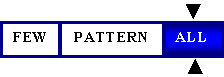
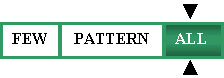
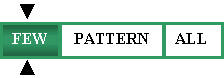
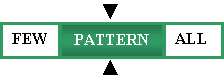
Click here for definitions Click here for definitions Click here for definitions Click here for definitions
Minimal Citation - No Harm Minimal Harm Actual Harm Serious Harm
MAPLE HEIGHTS HEALTH & REHAB CENTER
Inspection Results For:

There are  68 surveys for this facility. Please select a date to view the survey results.

Surveys don't appear on this website until at least 41 days have elapsed since the exit date of the survey.
MAPLE HEIGHTS HEALTH & REHAB CENTER - Inspection Results Scope of Citation
Number of Residents Affected
By Deficient Practice
Initial comments:Name: - Component: -- - Tag: 0000


Based on an Emergency Preparedness Survey completed on November 17, 2025, it was determined that Maple Heights Health and Rehabilitation had deficiencies that have the potential for minimal harm as related to the requirements of 42 CFR 483.73.


 Plan of Correction:


403.748(d)(2), 416.54(d)(2), 418.113(d)(2), 441.184(d)(2), 482.15(d)(2), 483.475(d)(2), 483.73(d)(2), 484.102(d)(2), 485.542(d)(2), 485.625(d)(2), 485.68(d)(2), 485.727(d)(2), 485.920(d)(2), 486.360(d)(2), 491.12(d)(2), 494.62(d)(2) STANDARD EP Testing Requirements:Least serious deficiency but was found to be widespread throughout the facility and/or has the potential to affect a large portion or all the residents. This deficiency has the potential for causing no more than a minor negative impact on the resident.
§416.54(d)(2), §418.113(d)(2), §441.184(d)(2), §460.84(d)(2), §482.15(d)(2), §483.73(d)(2), §483.475(d)(2), §484.102(d)(2), §485.68(d)(2), §485.542(d)(2), §485.625(d)(2), §485.727(d)(2), §485.920(d)(2), §491.12(d)(2), §494.62(d)(2).

*[For ASCs at §416.54, CORFs at §485.68, REHs at §485.542, OPO, "Organizations" under §485.727, CMHCs at §485.920, RHCs/FQHCs at §491.12, and ESRD Facilities at §494.62]:

(2) Testing. The [facility] must conduct exercises to test the emergency plan annually. The [facility] must do all of the following:

(i) Participate in a full-scale exercise that is community-based every 2 years; or
(A) When a community-based exercise is not accessible, conduct a facility-based functional exercise every 2 years; or
(B) If the [facility] experiences an actual natural or man-made emergency that requires activation of the emergency plan, the [facility] is exempt from engaging in its next required community-based or individual, facility-based functional exercise following the onset of the actual event.
(ii) Conduct an additional exercise at least every 2 years, opposite the year the full-scale or functional exercise under paragraph (d)(2)(i) of this section is conducted, that may include, but is not limited to the following:
(A) A second full-scale exercise that is community-based or individual, facility-based functional exercise; or
(B) A mock disaster drill; or
(C) A tabletop exercise or workshop that is led by a facilitator and includes a group discussion using a narrated, clinically-relevant emergency scenario, and a set of problem statements, directed messages, or prepared questions designed to challenge an emergency plan.
(iii) Analyze the [facility's] response to and maintain documentation of all drills, tabletop exercises, and emergency events, and revise the [facility's] emergency plan, as needed.

*[For Hospices at 418.113(d):]
(2) Testing for hospices that provide care in the patient's home. The hospice must conduct exercises to test the emergency plan at least annually. The hospice must do the following:
(i) Participate in a full-scale exercise that is community based every 2 years; or
(A) When a community based exercise is not accessible, conduct an individual facility based functional exercise every 2 years; or
(B) If the hospice experiences a natural or man-made emergency that requires activation of the emergency plan, the hospital is exempt from engaging in its next required full scale community-based exercise or individual facility-based functional exercise following the onset of the emergency event.
(ii) Conduct an additional exercise every 2 years, opposite the year the full-scale or functional exercise under paragraph (d)(2)(i) of this section is conducted, that may include, but is not limited to the following:
(A) A second full-scale exercise that is community-based or a facility based functional exercise; or
(B) A mock disaster drill; or
(C) A tabletop exercise or workshop that is led by a facilitator and includes a group discussion using a narrated, clinically-relevant emergency scenario, and a set of problem statements, directed messages, or prepared questions designed to challenge an emergency plan.

(3) Testing for hospices that provide inpatient care directly. The hospice must conduct exercises to test the emergency plan twice per year. The hospice must do the following:
(i) Participate in an annual full-scale exercise that is community-based; or
(A) When a community-based exercise is not accessible, conduct an annual individual facility-based functional exercise; or
(B) If the hospice experiences a natural or man-made emergency that requires activation of the emergency plan, the hospice is exempt from engaging in its next required full-scale community based or facility-based functional exercise following the onset of the emergency event.
(ii) Conduct an additional annual exercise that may include, but is not limited to the following:
(A) A second full-scale exercise that is community-based or a facility based functional exercise; or
(B) A mock disaster drill; or
(C) A tabletop exercise or workshop led by a facilitator that includes a group discussion using a narrated, clinically-relevant emergency scenario, and a set of problem statements, directed messages, or prepared questions designed to challenge an emergency plan.
(iii) Analyze the hospice's response to and maintain documentation of all drills, tabletop exercises, and emergency events and revise the hospice's emergency plan, as needed.


*[For PRFTs at §441.184(d), Hospitals at §482.15(d), CAHs at §485.625(d):]
(2) Testing. The [PRTF, Hospital, CAH] must conduct exercises to test the emergency plan twice per year. The [PRTF, Hospital, CAH] must do the following:
(i) Participate in an annual full-scale exercise that is community-based; or
(A) When a community-based exercise is not accessible, conduct an annual individual, facility-based functional exercise; or
(B) If the [PRTF, Hospital, CAH] experiences an actual natural or man-made emergency that requires activation of the emergency plan, the [facility] is exempt from engaging in its next required full-scale community based or individual, facility-based functional exercise following the onset of the emergency event.
(ii) Conduct an [additional] annual exercise or and that may include, but is not limited to the following:
(A) A second full-scale exercise that is community-based or individual, a facility-based functional exercise; or
(B) A mock disaster drill; or
(C) A tabletop exercise or workshop that is led by a facilitator and includes a group discussion, using a narrated, clinically-relevant emergency scenario, and a set of problem statements, directed messages, or prepared questions designed to challenge an emergency plan.
(iii) Analyze the [facility's] response to and maintain documentation of all drills, tabletop exercises, and emergency events and revise the [facility's] emergency plan, as needed.

*[For PACE at §460.84(d):]
(2) Testing. The PACE organization must conduct exercises to test the emergency plan at least annually. The PACE organization must do the following:
(i) Participate in an annual full-scale exercise that is community-based; or
(A) When a community-based exercise is not accessible, conduct an annual individual, facility-based functional exercise; or
(B) If the PACE experiences an actual natural or man-made emergency that requires activation of the emergency plan, the PACE is exempt from engaging in its next required full-scale community based or individual, facility-based functional exercise following the onset of the emergency event.
(ii) Conduct an additional exercise every 2 years opposite the year the full-scale or functional exercise under paragraph (d)(2)(i) of this section is conducted that may include, but is not limited to the following:
(A) A second full-scale exercise that is community-based or individual, a facility based functional exercise; or
(B) A mock disaster drill; or
(C) A tabletop exercise or workshop that is led by a facilitator and includes a group discussion, using a narrated, clinically-relevant emergency scenario, and a set of problem statements, directed messages, or prepared questions designed to challenge an emergency plan.
(iii) Analyze the PACE's response to and maintain documentation of all drills, tabletop exercises, and emergency events and revise the PACE's emergency plan, as needed.

*[For LTC Facilities at §483.73(d):]
(2) The [LTC facility] must conduct exercises to test the emergency plan at least twice per year, including unannounced staff drills using the emergency procedures. The [LTC facility, ICF/IID] must do the following:
(i) Participate in an annual full-scale exercise that is community-based; or
(A) When a community-based exercise is not accessible, conduct an annual individual, facility-based functional exercise.
(B) If the [LTC facility] facility experiences an actual natural or man-made emergency that requires activation of the emergency plan, the LTC facility is exempt from engaging its next required a full-scale community-based or individual, facility-based functional exercise following the onset of the emergency event.
(ii) Conduct an additional annual exercise that may include, but is not limited to the following:
(A) A second full-scale exercise that is community-based or an individual, facility based functional exercise; or
(B) A mock disaster drill; or
(C) A tabletop exercise or workshop that is led by a facilitator includes a group discussion, using a narrated, clinically-relevant emergency scenario, and a set of problem statements, directed messages, or prepared questions designed to challenge an emergency plan.
(iii) Analyze the [LTC facility] facility's response to and maintain documentation of all drills, tabletop exercises, and emergency events, and revise the [LTC facility] facility's emergency plan, as needed.

*[For ICF/IIDs at §483.475(d)]:
(2) Testing. The ICF/IID must conduct exercises to test the emergency plan at least twice per year. The ICF/IID must do the following:
(i) Participate in an annual full-scale exercise that is community-based; or
(A) When a community-based exercise is not accessible, conduct an annual individual, facility-based functional exercise; or.
(B) If the ICF/IID experiences an actual natural or man-made emergency that requires activation of the emergency plan, the ICF/IID is exempt from engaging in its next required full-scale community-based or individual, facility-based functional exercise following the onset of the emergency event.
(ii) Conduct an additional annual exercise that may include, but is not limited to the following:
(A) A second full-scale exercise that is community-based or an individual, facility-based functional exercise; or
(B) A mock disaster drill; or
(C) A tabletop exercise or workshop that is led by a facilitator and includes a group discussion, using a narrated, clinically-relevant emergency scenario, and a set of problem statements, directed messages, or prepared questions designed to challenge an emergency plan.
(iii) Analyze the ICF/IID's response to and maintain documentation of all drills, tabletop exercises, and emergency events, and revise the ICF/IID's emergency plan, as needed.

*[For HHAs at §484.102]
(d)(2) Testing. The HHA must conduct exercises to test the emergency plan at
least annually. The HHA must do the following:
(i) Participate in a full-scale exercise that is community-based; or
(A) When a community-based exercise is not accessible, conduct an annual individual, facility-based functional exercise every 2 years; or.
(B) If the HHA experiences an actual natural or man-made emergency that requires activation of the emergency plan, the HHA is exempt from engaging in its next required full-scale community-based or individual, facility based functional exercise following the onset of the emergency event.
(ii) Conduct an additional exercise every 2 years, opposite the year the full-scale or functional exercise under paragraph (d)(2)(i) of this section is conducted, that may include, but is not limited to the following:
(A) A second full-scale exercise that is community-based or an individual, facility-based functional exercise; or
(B) A mock disaster drill; or
(C) A tabletop exercise or workshop that is led by a facilitator and includes a group discussion, using a narrated, clinically-relevant emergency scenario, and a set of problem statements, directed messages, or prepared questions designed to challenge an emergency plan.
(iii) Analyze the HHA's response to and maintain documentation of all drills, tabletop exercises, and emergency events, and revise the HHA's emergency plan, as needed.

*[For OPOs at §486.360]
(d)(2) Testing. The OPO must conduct exercises to test the emergency plan. The OPO must do the following:
(i) Conduct a paper-based, tabletop exercise or workshop at least annually. A tabletop exercise is led by a facilitator and includes a group discussion, using a narrated, clinically relevant emergency scenario, and a set of problem statements, directed messages, or prepared questions designed to challenge an emergency plan. If the OPO experiences an actual natural or man-made emergency that requires activation of the emergency plan, the OPO is exempt from engaging in its next required testing exercise following the onset of the emergency event.
(ii) Analyze the OPO's response to and maintain documentation of all tabletop exercises, and emergency events, and revise the [RNHCI's and OPO's] emergency plan, as needed.

*[ RNCHIs at §403.748]:
(d)(2) Testing. The RNHCI must conduct exercises to test the emergency plan. The RNHCI must do the following:
(i) Conduct a paper-based, tabletop exercise at least annually. A tabletop exercise is a group discussion led by a facilitator, using a narrated, clinically-relevant emergency scenario, and a set of problem statements, directed messages, or prepared questions designed to challenge an emergency plan.
(ii) Analyze the RNHCI's response to and maintain documentation of all tabletop exercises, and emergency events, and revise the RNHCI's emergency plan, as needed.
Observations:
Name: - Component: -- - Tag: 0039

Based on document review and interview, it was determined the facility failed to perform required testing of the emergency preparedness plan, affecting the entire facility.

Findings include:

1. Document review on November 17, 2025, at 10:30 a.m., revealed the facility failed to perform a full-scale community based exercise and an additional tabletop or full-scale exercise for 2025.

Interview with the Facility Assistant Administrator on November 17, 2025, at 10:30 a.m., confirmed the facility failed to conduct the required testing.


 Plan of Correction - To be completed: 12/11/2025

1. A facility based exercise was conducted along with a sign in sheet to document participation on 9/12/2025. A previously scheduled table top exercise was conducted along with a sign-in sheet to document participation on 11/24/25. An additional table top exercise was already scheduled for December 2025. 2. To maintain and monitor compliance Administrator or designee will review table top exercise and report to monthly QAPI meeting.
Initial comments:Name: MAIN BUILDING 01 - Component: 01 - Tag: 0000


Facility ID# 030202
Component 01
Main Building

Based on a Medicare/Medicaid Recertification Survey completed on November 17-18, 2025, it was determined that Maple Heights was not in compliance with the following requirements of the Life Safety Code for an existing health care occupancy. Compliance with the National Fire Protection Association's Life Safety Code is required by 42 CFR 483.90(a).

This is a five-story, Type II (222), fire resistive building, with a basement, that is fully sprinklered.


 Plan of Correction:


NFPA 101 STANDARD Fire Alarm System - Testing and Maintenance:This is a less serious (but not lowest level) deficiency but was found to be widespread throughout the facility and/or has the potential to affect a large portion or all the residents.  This deficiency is one that results in minimal discomfort to the resident or has the potential (not yet realized) to negatively affect the resident's ability to achieve his/her highest functional status.
Fire Alarm System - Testing and Maintenance
A fire alarm system is tested and maintained in accordance with an approved program complying with the requirements of NFPA 70, National Electric Code, and NFPA 72, National Fire Alarm and Signaling Code. Records of system acceptance, maintenance and testing are readily available.
9.6.1.3, 9.6.1.5, NFPA 70, NFPA 72
Observations:
Name: MAIN BUILDING 01 - Component: 01 - Tag: 0345

Based on documentation review and interview, it was determined the facility failed to maintain the fire alarm system in one instance, affecting the entire facility.


Findings Include:

1. Observation on November 17, 2025, at 9:00 a.m., revealed there were five unresolved trouble codes on the main fire alarm panel.

Interview with the Facility Assistant Administrator and Maintenance Personnel on November 17, 2025, at 9:00 a.m., confirmed the fire alarm system deficiency.


 Plan of Correction - To be completed: 12/11/2025

The vendor was immediately contacted to evaluate and restore the fire alarm system to full operational status.

2. Education was provided to the Maintenance Department by the Administrator or designee on the importance of maintaining the fire alarm system on or before 12/11/2025.

3. Audits will be completed weekly x 4 weeks and monthly x 1 month by Maintenance Director or designee.

4. To maintain and monitor compliance Administrator or designee will review the fire alarm system and report to monthly QAPI meeting.
NFPA 101 STANDARD Sprinkler System - Maintenance and Testing:This is a less serious (but not lowest level) deficiency and affects more than a limited number of residents, staff, or occurrences. This deficiency is one that results in minimal discomfort to the resident or has the potential (not yet realized) to negatively affect the resident's ability to achieve his/her highest functional status. This deficiency was not found to be throughout this facility.
Sprinkler System - Maintenance and Testing
Automatic sprinkler and standpipe systems are inspected, tested, and maintained in accordance with NFPA 25, Standard for the Inspection, Testing, and Maintaining of Water-based Fire Protection Systems. Records of system design, maintenance, inspection and testing are maintained in a secure location and readily available.
a) Date sprinkler system last checked _____________________
b) Who provided system test ____________________________
c) Water system supply source __________________________
Provide in REMARKS information on coverage for any non-required or partial automatic sprinkler system.
9.7.5, 9.7.7, 9.7.8, and NFPA 25
Observations:
Name: MAIN BUILDING 01 - Component: 01 - Tag: 0353

Based on observation and interview, it was determined the facility failed to maintain the automatic fire sprinkler system in five instances, affecting four of 23 smoke compartments.

Findings include:

1. Observation on November 17, 2025, revealed the following automatic sprinkler system deficiencies:

a) 9:30 a.m., a 2'x4' section of the ceiling in the Elevator Equipment Room G168 was missing which would allow the passage of heat and smoke and may affect operation of the automatic sprinkler system;
b) 9:35 a.m., there were missing ceiling tiles on the Ground Floor in the Information Technology Room, Senior Life Room, and Human Resources / Payroll Room;
c) 9:43 a.m., the sprinkler head in the Transportation Coordinator Room was loaded with dust and debris;
d) 10:24 a.m., a sprinkler head near the nurse station on the first floor was loaded with dust and debris.

Interview with the Facility Assistant Administrator and Maintenance Personnel on November 17, 2025, at 1:30 p.m., confirmed the automatic sprinkler system deficiencies.


2. Observation on November 18, 2025, at 9:25 a.m., revealed a low-hanging light fixture creating a ceiling penetration outside of Room 312 on the third floor.

Interview with the Facility Assistant Administrator and Maintenance Supervisor on November 18, 2025, at 1:30 p.m., confirmed the automatic sprinkler system deficiency.


 Plan of Correction - To be completed: 12/11/2025

The ceiling tile in G168 was immediately repaired. The ceiling tiles in the ground floor in the Information Technology Room Senior Life room and Human Resources room were replaced on or before 12/11/2025.

The sprinkler head in the Transportation Coordinator Room was cleaned on or before 12/11/2025. The sprinkler head near the nurses' station on the first floor was cleaned on or before 12/11/2025.

The light fixture outside of room 312 was repaired on or before 12/11/2025

2. Education was provided to the Maintenance Department by the Administrator or designee on the importance of maintaining the fire sprinkler systems on or before 12/11/2025.

3. Audits will be completed weekly x 4 weeks and monthly x 1 month by Maintenance Director or designee.

4. To maintain and monitor compliance Administrator or designee will review the fire alarm system and report to monthly QAPI meeting.
NFPA 101 STANDARD Corridor - Doors:This is a less serious (but not lowest level) deficiency and is isolated to the fewest number of residents, staff, or occurrences. This deficiency is one that results in minimal discomfort to the resident or has the potential (not yet realized) to negatively affect the resident's ability to achieve his/her highest functional status.
Corridor - Doors
Doors protecting corridor openings in other than required enclosures of vertical openings, exits, or hazardous areas resist the passage of smoke and are made of 1 3/4 inch solid-bonded core wood or other material capable of resisting fire for at least 20 minutes. Doors in fully sprinklered smoke compartments are only required to resist the passage of smoke. Corridor doors and doors to rooms containing flammable or combustible materials have positive latching hardware. Roller latches are prohibited by CMS regulation. These requirements do not apply to auxiliary spaces that do not contain flammable or combustible material.
Clearance between bottom of door and floor covering is not exceeding 1 inch. Powered doors complying with 7.2.1.9 are permissible if provided with a device capable of keeping the door closed when a force of 5 lbf is applied. There is no impediment to the closing of the doors. Hold open devices that release when the door is pushed or pulled are permitted. Nonrated protective plates of unlimited height are permitted. Dutch doors meeting 19.3.6.3.6 are permitted. Door frames shall be labeled and made of steel or other materials in compliance with 8.3, unless the smoke compartment is sprinklered. Fixed fire window assemblies are allowed per 8.3. In sprinklered compartments there are no restrictions in area or fire resistance of glass or frames in window assemblies.

19.3.6.3, 42 CFR Parts 403, 418, 460, 482, 483, and 485
Show in REMARKS details of doors such as fire protection ratings, automatics closing devices, etc.
Observations:
Name: MAIN BUILDING 01 - Component: 01 - Tag: 0363

Based on observation and interview, it was determined the facility failed to maintain corridor doors in one instance, in one of 23 smoke compartments.

Findings include:

1. Observation on November 17, 2025, at 10:50 a.m., revealed the door to the dish washing room was being held open with a trash bag.

Interview with the Facility Assistant Administrator and Maintenance Personnel on November 17, 2025, at 1:30 p.m., confirmed the bag tied to the door was keeping it from closing.


 Plan of Correction - To be completed: 12/11/2025

The door to the dish washing room was immediately closed and the trash bag removed.
2. Education was provided to the Maintenance Department and the dietary department by the Administrator or designee on properly maintaining corridor doors.
3. Audits will be completed weekly on maintaining corridor doors weekly x 4 weeks and monthly x 1 month by Maintenance Director or designee.
4. To maintain and monitor compliance Administrator or designee will review the corridor doors and report to monthly QAPI meeting.
NFPA 101 STANDARD Smoking Regulations:This is a less serious (but not lowest level) deficiency and affects more than a limited number of residents, staff, or occurrences. This deficiency is one that results in minimal discomfort to the resident or has the potential (not yet realized) to negatively affect the resident's ability to achieve his/her highest functional status. This deficiency was not found to be throughout this facility.
Smoking Regulations
Smoking regulations shall be adopted and shall include not less than the following provisions:
(1) Smoking shall be prohibited in any room, ward, or compartment where flammable liquids, combustible gases, or oxygen is used or stored and in any other hazardous location, and such area shall be posted with signs that read NO SMOKING or shall be posted with the international symbol for no smoking.
(2) In health care occupancies where smoking is prohibited and signs are prominently placed at all major entrances, secondary signs with language that prohibits smoking shall not be required.
(3) Smoking by patients classified as not responsible shall be prohibited.
(4) The requirement of 18.7.4(3) shall not apply where the patient is under direct supervision.
(5) Ashtrays of noncombustible material and safe design shall be provided in all areas where smoking is permitted.
(6) Metal containers with self-closing cover devices into which ashtrays can be emptied shall be readily available to all areas where smoking is permitted.
18.7.4, 19.7.4

Observations:
Name: MAIN BUILDING 01 - Component: 01 - Tag: 0741


Based on documentation review, observation, and interview, it was determined the facility failed to follow smoking regulations and enforce the facility smoking policy in one instance, on one of six floors.

Findings include:

1. Observation on November 17, 2025, at 9:20 a.m., revealed numerous cigarette butts along the outside wall of the building near the employee entrance.

Interview with the Facility Assistant Administrator and Maintenance Personnel on November 17, 2025, at 9:20 a.m., confirmed smoking regulations were not being followed.


 Plan of Correction - To be completed: 12/11/2025

1. The cigarette butts were picked up near the employee entrance.
2. Education was provided to facility staff by the Administrator or designee on the smoking policy.
3. Audits will be completed weekly on cleanliness of the outside employee entrance weekly x 4 weeks and monthly x 1 month by Maintenance Director or designee. 4. To maintain and monitor compliance Administrator or designee will review outside employee entrance and report to monthly QAPI meeting.
NFPA 101 STANDARD Soiled Linen and Trash Containers:This is a less serious (but not lowest level) deficiency and is isolated to the fewest number of residents, staff, or occurrences. This deficiency is one that results in minimal discomfort to the resident or has the potential (not yet realized) to negatively affect the resident's ability to achieve his/her highest functional status.
Soiled Linen and Trash Containers
Soiled linen or trash collection receptacles shall not exceed 32 gallons in capacity. The average density of container capacity in a room or space shall not exceed 0.5 gallons/square feet. A total container capacity of 32 gallons shall not be exceeded within any 64 square feet area. Mobile soiled linen or trash collection receptacles with capacities greater than 32 gallons shall be located in a room protected as a hazardous area when not attended.
Containers used solely for recycling are permitted to be excluded from the above requirements where each container is less than or equal to 96 gallons unless attended, and containers for combustibles are labeled and listed as meeting FM Approval Standard 6921 or equivalent.
18.7.5.7, 19.7.5.7
Observations:
Name: MAIN BUILDING 01 - Component: 01 - Tag: 0754

Based on observation and interview, it was determined the facility failed to maintain soiled linen and trash containers in one instance, affecting one of 23 smoke compartments.

Findings include:

1. Observation on November 17, 2025, at 10:16 a.m., revealed a large trash can and two mobile soiled linen containers unattended near Room 128 on the first floor.

Interview with the Facility Assistant Administrator and Maintenance Personnel on November 17, 2025, at 10:20 a.m., confirmed the trash and soiled linen containers in the corridor were not attended.


 Plan of Correction - To be completed: 12/11/2025

1. The large trash can and two mobile soiled linen containers near room 128 were immediately moved and properly stored. A facility-wide inspection was immediately conducted to ensure no other trash or soiled linen containers were left in hallways.
2. Education was provided to facility staff by the Administrator or designee on the proper storage of soiled linen and trash containers.
3. Audits will be completed on proper storage of soiled linen and trash containers weekly x 4 weeks and monthly x 1 month by Maintenance Director or designee.
4. To maintain and monitor compliance Administrator or designee will review proper storage of trash or soiled linen containers and report to monthly QAPI meeting.
Initial comments:Name: BUILDING 03 - Component: 03 - Tag: 0000


Facility ID# 030202
Component 03
LPN Classroom

Based on a Medicare/Medicaid Recertification Survey completed on November 17-18, 2025, it was determined that Maple Heights was not in compliance with the following requirements of the Life Safety Code for an existing health care occupancy. Compliance with the National Fire Protection Association's Life Safety Code is required by 42 CFR 483.90(a).

This is a one-story, Type II (000), unprotected non-combustible building, without a basement, that is fully sprinklered.


 Plan of Correction:


NFPA 101 STANDARD Fire Alarm System - Testing and Maintenance:This is a less serious (but not lowest level) deficiency but was found to be widespread throughout the facility and/or has the potential to affect a large portion or all the residents.  This deficiency is one that results in minimal discomfort to the resident or has the potential (not yet realized) to negatively affect the resident's ability to achieve his/her highest functional status.
Fire Alarm System - Testing and Maintenance
A fire alarm system is tested and maintained in accordance with an approved program complying with the requirements of NFPA 70, National Electric Code, and NFPA 72, National Fire Alarm and Signaling Code. Records of system acceptance, maintenance and testing are readily available.
9.6.1.3, 9.6.1.5, NFPA 70, NFPA 72
Observations:
Name: BUILDING 03 - Component: 03 - Tag: 0345

Based on documentation review and interview, it was determined the facility failed to maintain the fire alarm system in one instance, affecting the entire facility.


Findings Include:

1. Observation on November 17, 2025, at 9:00 a.m., revealed there were five unresolved trouble codes on the main fire alarm panel.

Interview with the Facility Assistant Administrator and Maintenance Personnel on November 17, 2025, at 9:00 a.m., confirmed the fire alarm system deficiency.


 Plan of Correction - To be completed: 12/11/2025

The vendor was immediately contacted to evaluate and restore the fire alarm system to full operational status.
2. Education was provided to the Maintenance Department by the Administrator or designee on the importance of maintaining the fire alarm system on or before 12/11/2025.
3. Audits will be completed weekly x 4 weeks and monthly x 1 month by Maintenance Director or designee.
4. To maintain and monitor compliance Administrator or designee will review the fire alarm system and report to monthly QAPI meeting.

Back to County Map


Home : Press Releases : Administration
Health Planning and Assessment : Office of the Secretary
Health Promotion and Disease Prevention : Quality Assurance


Copyright © 2001 Commonwealth of Pennsylvania. All Rights Reserved.
Commonwealth of PA Privacy Statement

Visit the PA Power Port