Pennsylvania Department of Health
BELVEDERE CENTER, GENESIS HEALTHCARE, THE
Patient Care Inspection Results

Note: If you need to change the font size, click the "View" menu at the top of the page, place the mouse over the "Text Size" menu item, and select the desired font size.

Severity Designations

Click here for definitions Click here for definitions Click here for definitions Click here for definitions
Minimal Citation - No Harm Minimal Harm Actual Harm Serious Harm
BELVEDERE CENTER, GENESIS HEALTHCARE, THE
Inspection Results For:

There are  160 surveys for this facility. Please select a date to view the survey results.

Surveys don't appear on this website until at least 41 days have elapsed since the exit date of the survey.
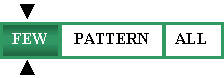
BELVEDERE CENTER, GENESIS HEALTHCARE, THE - Inspection Results Scope of Citation
Number of Residents Affected
By Deficient Practice
Initial comments:

Based on a Medicare/Medicaid Recertification, State Licensure and Civil Rights Compliance survey as well as complaint completed on July 16,2026, it was determined that Belvedere Center, Genesis Healthcare was not in compliance with the following requirements of 42 CFR 483, Subpart B, Requirements for Long Term Care and the 28 PA Code, Commonwealth of Pennsylvania Long Term Care Licensure Regulations as it relates to the Health portion of the survey process.


 Plan of Correction:


483.45(g)(h)(1)(2) REQUIREMENT Label/Store Drugs and Biologicals:This is a less serious (but not lowest level) deficiency and affects more than a limited number of residents, staff, or occurrences. This deficiency is one that results in minimal discomfort to the resident or has the potential (not yet realized) to negatively affect the resident's ability to achieve his/her highest functional status. This deficiency was not found to be throughout this facility.
§483.45(g) Labeling of Drugs and Biologicals
Drugs and biologicals used in the facility must be labeled in accordance with currently accepted professional principles, and include the appropriate accessory and cautionary instructions, and the expiration date when applicable.

§483.45(h) Storage of Drugs and Biologicals

§483.45(h)(1) In accordance with State and Federal laws, the facility must store all drugs and biologicals in locked compartments under proper temperature controls, and permit only authorized personnel to have access to the keys.

§483.45(h)(2) The facility must provide separately locked, permanently affixed compartments for storage of controlled drugs listed in Schedule II of the Comprehensive Drug Abuse Prevention and Control Act of 1976 and other drugs subject to abuse, except when the facility uses single unit package drug distribution systems in which the quantity stored is minimal and a missing dose can be readily detected.
Observations:

Based on a review of the facility's policy and the medication manufacturer's guidelines, observations, and staff interviews, it was determined that the facility failed to ensure medications were properly labeled and stored on one of three units observed (South Unit Front Medications Cart, South Unit Middle Medication Cart, and South Unit Medication Room).


Findings:

A review of the facility policy titled "Medications and Medication Labels", undated, revealed, "Medications are labeled in accordance with currently accepted professional principles including appropriate auxiliary and cautionary instructions to promote safe medication use following state and federal laws".

A review of the manufacturer's medication guidelines revealed the following:

A review of manufacturers' storage guidelines for Insulin Glargine (long-acting insulin) revealed that the medication may be stored at room temperature and must be discarded within 28 days after opening.

A review of manufacturers' storage guidelines for Lantus Insulin (long-acting insulin) revealed that the medication may be stored at room temperature and must be discarded within 28 days after opening.

A review of the manufacturer's storage guidelines for Humalog Insulin (fast-acting insulin), revealed that the medication must be stored at room temperature and must be discarded within 28 days after opening.

A review of the manufacturer's storage guidelines for Insulin Lispro (Humalog-fast-acting insulin), revealed that the medication must be stored at room temperature and must be discarded within 28 days after opening.

A review of the manufacturer's storage guidelines for Novolog Insulin (fast-acting insulin), revealed that the medication must be stored at room temperature and must be discarded within 28 days after opening.

An observation of the South Unit Front Medication Cart was conducted on July 13, 2026, at 9:56 a.m., in the presence of licensed nurse Employee E5. The observation revealed the following: One Gargline insulin pen opened and undated; Two Lantus insulin pens opened and undated; and one Humalog Insulin pen opened and undated. Additional observations revealed 38 tablets with different sizes and colors were scattered on the second-row drawer of the medication cart.

An observation of the South Unit Middle Medication Cart was conducted on July 13, 2026, at 10:05 a.m., also in the presence of Employee E5. The observation revealed one Insulin Lispro pen with a dated "6/8/26".

An interview was conducted with Employee E5 on July 13, 2026, at 10:05 a.m. Employee E5 confirmed that the above insulins observed should have been dated once opened.

An observation of the South Unit medication room refrigerator was conducted on July 16, 2026, at 1:00 p.m., in the presence of Employee E5. The observation revealed one Lantus insulin pen and one Novolog insulin pen. Both medications were opened and undated.

An interview with Employee E5 was conducted on July 16, 2026, at 1:05 p.m. Employee E5 does not know when the medication was opened. Employee E5 confirmed that the insulin pens should have been dated when opened.

The above findings were conveyed to the Director of Nursing on July 16, 2026, at 2:00 p.m.

The facility failed to ensure medications were properly stored and labeled on the South Unit medication cart and room.


28 Pa. Code 211.12(d)(1)(5) Nursing Services


 Plan of Correction - To be completed: 08/25/2026

1. CORRECTIVE ACTION FOR AREAS AFFECTED:

An initial audit of all medication carts and refrigerators was conducted to ensure medications were properly stored and labeled on the South Unit.

2. OTHER AREAS AFFECTED:

An initial audit will be completed by the Director of Nursing/Designee on all medication carts and medication rooms to ensure medications are properly stored and labeled.

3. SYSTEMIC CHANGES TO PREVENT FUTURE OCCURRENCES:

Licensed nursing staff were re-educated by the Director of Nursing/Designee on the need to ensure medications are properly stored and labeled in medication carts and medication refrigerators.

4. MONITORING OF CORRECTIVE ACTION:

The Director of Nursing/Designee will conduct random weekly audits of 2 carts and 1 med room x4 then monthly x2 to ensure medications are stored and labeled properly. Results of the audit will be reported to the Quality Assurance Performance Improvement Committee monthly.
483.10(a)(1)(2)(b)(1)(2) REQUIREMENT Resident Rights/Exercise of Rights:This is a less serious (but not lowest level) deficiency and is isolated to the fewest number of residents, staff, or occurrences. This deficiency is one that results in minimal discomfort to the resident or has the potential (not yet realized) to negatively affect the resident's ability to achieve his/her highest functional status.
§483.10(a) Resident Rights.
The resident has a right to a dignified existence, self-determination, and communication with and access to persons and services inside and outside the facility, including those specified in this section.

§483.10(a)(1) A facility must treat each resident with respect and dignity and care for each resident in a manner and in an environment that promotes maintenance or enhancement of his or her quality of life, recognizing each resident's individuality. The facility must protect and promote the rights of the resident.

§483.10(a)(2) The facility must provide equal access to quality care regardless of diagnosis, severity of condition, or payment source. A facility must establish and maintain identical policies and practices regarding transfer, discharge, and the provision of services under the State plan for all residents regardless of payment source.

§483.10(b) Exercise of Rights.
The resident has the right to exercise his or her rights as a resident of the facility and as a citizen or resident of the United States.

§483.10(b)(1) The facility must ensure that the resident can exercise his or her rights without interference, coercion, discrimination, or reprisal from the facility.

§483.10(b)(2) The resident has the right to be free of interference, coercion, discrimination, and reprisal from the facility in exercising his or her rights and to be supported by the facility in the exercise of his or her rights as required under this subpart.
Observations:

Based on observation, clinical records review, and staff and residents' interviews, it was determined that the facility failed to ensure the resident's dignity was maintained for one of 26 residents reviewed (Resident 93).

Findings Include:

Review of Resident 93's diagnosis list includes: Spastic Hemiplegic Cerebral Palsy (A neurological condition affecting movement and muscle tone on one side of the body, including the arm, leg, and sometimes the face), Post Traumatic Stress Disorder (PTSD), and Anxiety Disorder (A mental health disorder characterized by feeling of worry, anxiety or fear that are strong enough to interfere with one's daily activities).

A review of Resident 93's Annual Minimum Data Set (MDS- a standardized assessment tool that measures health status in long-term care residents) dated July 10, 2026, revealed the resident was cognitively intact. The same MDS revealed the resident required set-up with toileting.

A review of Resident 93's active care plan developed on July 23, 2025, revealed Resident had previous trauma experience. Feeling upset when reminded of a stressful experience from the past. History of sexual assault during teenage years.

An observation conducted on July 14, 2026, at 1:00 p.m., revealed Resident 93 was by themselves in a room with a shared bathroom (jack and jill). An opposite gender resident (Resident 129) resides in the opposing room. Further observation revealed that the bathroom door can be locked on both sides.

An interview was conducted with Resident 93 on July 14, 2026, at 1: 05 p.m. The resident verbalized concern that they must share the bathroom with Resident 129, an opposite gender resident. The resident reported that a few months ago (unable to tell the exact date), Resident 129 got into the bathroom while they were using it despite locking it; they claimed: "they might have been broken".

A review of the facility's grievance/concern dated April 12, 2026, revealed: "Resident voiced concerns regarding security of locks due to jack and jill bathrooms". Resolutions revealed: [Resident 129] on opposing side of bathroom agreed to use shower room bathroom moving forward to ensure this [resident] feels safe and secure.

A review of Resident 129's clinical records "census" revealed resident was transferred to the room opposing Resident 93's room on February 3, 2026.

An interview with Resident 129, a cognitively intact resident, was conducted on July 15, 2026, at 10:00 a.m. Resident 129 reported that they previously used the Jack and Jill bathroom but had to stop because Resident 93 made false accusations. Resident 129 reported that around March or April 2026, they were accused of banging the bathroom door. Resident 129 reported that they knocked on the bathroom door, but no one answered, so they got in while Resident 93 was in the bathroom. Resident further reported that to prevent further issues/concerns, they agreed to use the bathroom shower instead.

An interview was conducted with the Nursing Home Administrator (NHA) on July 15, 20266, at 11:00 a.m. The NHA reported that it was the facility's set up (jack and Jill bathroom) and there were no other available rooms when Resident 129 was transferred.

The facility failed to ensure dignity was maintained for Resident 93.

28 Pa. Code 211.5(f) Clinical Records

28 Pa. Code 211.12(d)(1)(5) Nursing Services


 Plan of Correction - To be completed: 08/25/2026

1. CORRECTIVE ACTION FOR AREAS AFFECTED:

Resident 93 agreed to a room change and now does not share the bathroom with a male.

2. OTHER AREAS AFFECTED:

An initial audit will be completed by NHA or designee of residents who share a bathroom with the opposite sex will be conducted to ensure that the residents do not want a room change.

3. SYSTEMIC CHANGES TO PREVENT FUTURE OCCURRENCES:

Admissions director will be educated by the NHA to avoid when possible admitting residents into a room with a shared bathroom with the opposite sex

4. MONITORING OF CORRECTIVE ACTION:

The NHA/designee will conduct random weekly audits x4 then monthly x2 to ensure that residents who share bathrooms with the opposite sex are content with their current rooms. Results of the audit will be reported to the Quality Assurance Performance Improvement Committee monthly.
483.10(i)(1)-(7) REQUIREMENT Safe/Clean/Comfortable/Homelike Environment:This is a less serious (but not lowest level) deficiency and is isolated to the fewest number of residents, staff, or occurrences. This deficiency is one that results in minimal discomfort to the resident or has the potential (not yet realized) to negatively affect the resident's ability to achieve his/her highest functional status.
§483.10(i) Safe Environment.
The resident has a right to a safe, clean, comfortable and homelike environment, including but not limited to receiving treatment and supports for daily living safely.

The facility must provide-
§483.10(i)(1) A safe, clean, comfortable, and homelike environment, allowing the resident to use his or her personal belongings to the extent possible.
(i) This includes ensuring that the resident can receive care and services safely and that the physical layout of the facility maximizes resident independence and does not pose a safety risk.
(ii) The facility shall exercise reasonable care for the protection of the resident's property from loss or theft.

§483.10(i)(2) Housekeeping and maintenance services necessary to maintain a sanitary, orderly, and comfortable interior;

§483.10(i)(3) Clean bed and bath linens that are in good condition;

§483.10(i)(4) Private closet space in each resident room, as specified in §483.90 (e)(2)(iv);

§483.10(i)(5) Adequate and comfortable lighting levels in all areas;

§483.10(i)(6) Comfortable and safe temperature levels. Facilities initially certified after October 1, 1990 must maintain a temperature range of 71 to 81°F; and

§483.10(i)(7) For the maintenance of comfortable sound levels.
Observations:

Based on observation and staff interview, it was determined that the facility failed to ensure resident rooms had appropriate hot water temperatures and/or working hot water faucets on the Southside unit for ten of twenty rooms observed. (Rooms 319, 320, 321, 322,323, 324, 326, 328, 330 and the shower room)

Findings include:

During interview conducted with Resident 1 on July 14, 2026, at 1:34 p.m. the resident stated there had been no hot water in his/her room for several days. Resident 1 stated staff was made aware, but nothing had been done to alleviate the problem.

Observations made on July 14, 2026, at 1:37 p.m., with Maintenance Director Employee E1 revealed water temperatures in nine rooms and the shower room on the Southside Unit did not have hot water with no water coming out of the hot water faucets in two rooms (319 and 320).

During interview conducted with Unit Manager Registered Nurse Employee E2, on July 14, 2026, at 1:58 p.m., Employee E2 denied knowledge of rooms on the unit without hot water.

On July 15, 2026, at 10:00 a.m., review of facility temperature logs for the evening of July 14, 2026, revealed hot temperatures for rooms on the South Unit ranged between 100 and 110.

During interview conducted with Employee E1 on July 15, 2026, at 12:40 p.m. Employee E1 stated a Holby Valve (a high-performance thermostatic mixing valve designed to blend hot and cold water to maintain a safe, consistent temperature) needed to be replaced, the part was already in-house, and a plumbing contractor was scheduled to come out tomorrow, July 16, 2026, between 10:00 a.m. and 12:00 p.m., to replace the part. Employee E1 stated the broken valve must be causing low hot water temperatures as the equipment was in an area underneath the affected unit.

Observations made of hot water temperatures on July 16, 2026, at 12:45 p.m., with Employee E1, after the valve replacement was completed revealed hot water temperatures in rooms on the South Unit ranged between 82 and 87 degrees. The hot water temperature in the unit shower room was 91 degrees. The hot water faucets in rooms 319 and 320 remained broken.

Review of the plumbing contractor's service order dated July 16, 2026, documented the facility had the wrong parts for the mixing valve so he/she removed the existing thermostat and cleaned it up. The thermostat was reinstalled and adjusted. The loop was set to temperature no hotter than 110 at the facility's request. The facility will order the correct part for standby. There was no documentation related to the contractor coming back when the part was received.

Interview conducted with Nursing Home Administrator (NHA) on January 16, 2026, at 12:20 p.m. when the above was presented, the NHA confirmed knowledge of the hot water situation.

28 Pa. Code 201.14(a) Responsibility of licensee.

28 Pa. Code 201.18(b)(1)(3) (e)(3) Management.

28 Pa. Code 207.2(a) Administrator's responsibility


 Plan of Correction - To be completed: 08/25/2026

1. CORRECTIVE ACTION FOR AREAS AFFECTED:

Hot water was immediately restored. A vendor came out to assess the situation and adjusted water to correct temperature to provide a home like environment.

2. OTHER AREAS AFFECTED:

Maintenance will conduct an Initial audits of all 3 units including all bathrooms/sinks to ensure temperature is within proper temperature, not to exceed 110F.

3. SYSTEMIC CHANGES TO PREVENT FUTURE OCCURRENCES:

The Maintenance Director or designee will be educated on the importance of checking temperatures daily to ensure temperature is within proper temperature not to exceed 110F.

4. MONITORING OF CORRECTIVE ACTION:

The Maintenance Director or designee will conduct random weekly audits of x 4, then monthly x 2 to ensure temperature is within proper temperature not to exceed 110F. Results of the audit will be reported to the Quality Assurance Performance Improvement Committee monthly.
483.20(b)(1)(2)(i)(iii) REQUIREMENT Comprehensive Assessments & Timing:This is a less serious (but not lowest level) deficiency and is isolated to the fewest number of residents, staff, or occurrences. This deficiency is one that results in minimal discomfort to the resident or has the potential (not yet realized) to negatively affect the resident's ability to achieve his/her highest functional status.
§483.20 Resident Assessment
The facility must conduct initially and periodically a comprehensive, accurate, standardized reproducible assessment of each resident's functional capacity.

§483.20(b) Comprehensive Assessments
§483.20(b)(1) Resident Assessment Instrument. A facility must make a comprehensive assessment of a resident's needs, strengths, goals, life history and preferences, using the resident assessment instrument (RAI) specified by CMS. The assessment must include at least the following:
(i) Identification and demographic information
(ii) Customary routine.
(iii) Cognitive patterns.
(iv) Communication.
(v) Vision.
(vi) Mood and behavior patterns.
(vii) Psychological well-being.
(viii) Physical functioning and structural problems.
(ix) Continence.
(x) Disease diagnosis and health conditions.
(xi) Dental and nutritional status.
(xii) Skin Conditions.
(xiii) Activity pursuit.
(xiv) Medications.
(xv) Special treatments and procedures.
(xvi) Discharge planning.
(xvii) Documentation of summary information regarding the additional assessment performed on the care areas triggered by the completion of the Minimum Data Set (MDS).
(xviii) Documentation of participation in assessment. The assessment process must include direct observation and communication with the resident, as well as communication with licensed and nonlicensed direct care staff members on all shifts.

§483.20(b)(2) When required. Subject to the timeframes prescribed in §413.343(b) of this chapter, a facility must conduct a comprehensive assessment of a resident in accordance with the timeframes specified in paragraphs (b)(2)(i) through (iii) of this section. The timeframes prescribed in §413.343(b) of this chapter do not apply to CAHs.
(i) Within 14 calendar days after admission, excluding readmissions in which there is no significant change in the resident's physical or mental condition. (For purposes of this section, "readmission" means a return to the facility following a temporary absence for hospitalization or therapeutic leave.)
(iii)Not less than once every 12 months.
Observations:

Based on review of clinical records, the facility failed to provide an accurate initial assessment of a resident's vision status for one of 32 residents reviewed (Resident 13)

Findings include:

Review of hospital occupational therapy progress notes dated May 21, 2026, revealed that Resident 13's vision was noted as "impaired" and "Reports seeing only shadows and light." Further review of the occupational therapy assessment and plan from the same date revealed "patient presented in the ED (emergency department) ...with significant visual impairment."

Review of Resident 13's admission MDS (Minimum Data Set a mandatory assessment of a resident's care needs and medical condition) dated June 22, 2026, revealed that Resident 13 was admitted to the facility on June 15, 2026, from the hospital. Review of MDS Section B- Hearing, Speech and Vision, item B1000 Vision Ability to see in adequate light (with glasses or other visual appliances) was coded as "Adequate sees fine detail, such as regular print in newspapers and books." Review of item B1200 Corrective Lenses (contacts, glasses, or magnifying glass) used in completing B1000, Vision was codes "No".

Review of Resident 13's care plan dated June 15, 2026 revealed the following, "Resident 13 is at risk for falls. Impaired mobility, recent amputation of right toes, blindness" and further review of Resident 13's care plan dated June 16, 2026 revealed, "Resident 13 has vision impairment."

The facility failed to accurately assess Resident 13's vision status on admission. This finding was shared with the Director of Nursing on July 16, 2026 at approximately 2:30 p.m.

28 Pa. Code 211.5(f) Clinical Records.


 Plan of Correction - To be completed: 08/25/2026

1. CORRECTIVE ACTION FOR AREAS AFFECTED:

Resident 13 is receiving appropriate services, support, care, and applicable treatments. MDS was modified and now reflects vision impairment.

2. OTHER AREAS AFFECTED:

The CRC's will conduct an initial audit of the past 14 days to verify an accurate initial assessment of a resident's vision status is completed.

3. SYSTEMIC CHANGES TO PREVENT FUTURE OCCURRENCES:

The Nursing Home Administrator or designee will re-educate the CRC's on the importance of coding MDS's to reflect vision impairments.

4. MONITORING OF CORRECTIVE ACTION:

The CRC or designee will conduct random weekly audits of 5 residents x 4, then monthly x 2 of completed MDS's to ensure accurate coding on the resident's vision status Results of the audit will be reported to the Quality Assurance Performance Improvement Committee monthly.
483.21(a)(1)-(3) REQUIREMENT Baseline Care Plan:This is a less serious (but not lowest level) deficiency and is isolated to the fewest number of residents, staff, or occurrences. This deficiency is one that results in minimal discomfort to the resident or has the potential (not yet realized) to negatively affect the resident's ability to achieve his/her highest functional status.
§483.21 Comprehensive Person-Centered Care Planning
§483.21(a) Baseline Care Plans
§483.21(a)(1) The facility must develop and implement a baseline care plan for each resident that includes the instructions needed to provide effective and person-centered care of the resident that meet professional standards of quality care. The baseline care plan must-
(i) Be developed within 48 hours of a resident's admission.
(ii) Include the minimum healthcare information necessary to properly care for a resident including, but not limited to-
(A) Initial goals based on admission orders.
(B) Physician orders.
(C) Dietary orders.
(D) Therapy services.
(E) Social services.
(F) PASARR recommendation, if applicable.

§483.21(a)(2) The facility may develop a comprehensive care plan in place of the baseline care plan if the comprehensive care plan-
(i) Is developed within 48 hours of the resident's admission.
(ii) Meets the requirements set forth in paragraph (b) of this section (excepting paragraph (b)(2)(i) of this section).

§483.21(a)(3) The facility must provide the resident and their representative with a summary of the baseline care plan that includes but is not limited to:
(i) The initial goals of the resident.
(ii) A summary of the resident's medications and dietary instructions.
(iii) Any services and treatments to be administered by the facility and personnel acting on behalf of the facility.
(iv) Any updated information based on the details of the comprehensive care plan, as necessary.
Observations:

Based on staff interview, observation, and clinical record review, it was determined that the facility failed to develop and implement a person-centered care plan that included the minimum healthcare information necessary to properly care for a resident for one out of 32 residents reviewed (Resident 18).

Findings include:

Observation of Resident 13 on July 13, 2026, at approximately 11:30 a.m., revealed Resident 13 out of bed sitting in a wheelchair. When asked questions, Resident 13 did not respond.

Interview with the LPN Unit Manager (E4) on July 17, 2026, at approximately 12:45 p.m. revealed that Resident 13 does not speak. Resident 13 responds with "vocalizations" and nodding of the head when staff asks Resident 13 about their needs such as food or a preferred music channel. Further interview revealed that there should be a communication board with pictures Resident 18 could point to in the room. Observation of Resident 18's environment on July 17, 2026, at approximately 12:50 p.m. revealed there was no picture board in the room.

Review of Resident 18's hospital history and physical dated June 3, 2026, revealed Resident 13 "presented to the ER (emergency room) as a stroke alert ....patient unable to provide details of events leading up to admission due to speech difficulty/dysarthria (speech difficulty caused by a nerve defect)."

Review of Resident 18's admission MDS (Minimum Data Set a mandatory assessment of a resident's care needs and medical condition) dated July 9, 2026, revealed that Resident 18 was initially admitted to the facility on June 16, 2026. Review of MDS Section B Hearing, Speech, and Vision Item B0600 Speech Clarity was coded "No speech absence of spoken words." Review of Item B0700 Makes Self Understood Ability to express ideas and wants, consider both verbal and non-verbal expression was coded "Rarely/never understood." Review of Item B0800 Ability to Understand Others Understanding verbal content, however able (with hearing aide or device, if used) was coded "Rarely/never understands".

Review of Resident 18's care plan, initiated on June 16, 2026 revealed a diagnosis of aphasia following cerebral infarction (an inability to communicate after a stroke). Further review of Resident 18's care plan revealed no plan of care for Resident 18's communication deficit.

The facility failed to create a care plan that included the minimum healthcare information necessary to properly address Resident 18's communication deficit.

This finding was shared with the DON on July 17, 2026, at approximately 2:30 p.m.

28 Pa. Code 211.12(d)(5) Nursing services.


 Plan of Correction - To be completed: 08/25/2026

1. CORRECTIVE ACTION FOR AREAS AFFECTED:

The Resident R18 Plan of Care was updated to reflect a communication deficit.

2. OTHER AREAS AFFECTED:

An initial audit of resident care plans will be completed by the Director of Nursing/Social Services for current residents with communication deficits to ensure a care plan is in place with the minimum healthcare information necessary to properly address a communication deficit.

3. SYSTEMIC CHANGES TO PREVENT FUTURE OCCURRENCES:

Licensed nursing staff & Social Services were re-educated by the Director of Nursing/Designee on updating the plan of care to reflect communication deficits for those residents affected.

4. MONITORING OF CORRECTIVE ACTION:

The Director of Nursing/designee will conduct random weekly audits x4 then monthly x2 to ensure that residents with a communication deficit have a care plan in place with the minimum healthcare information to properly address a communication deficit. Results of the audit will be reported to the Quality Assurance Performance Improvement Committee monthly.
483.25(d)(1)(2) REQUIREMENT Free of Accident Hazards/Supervision/Devices:This is a less serious (but not lowest level) deficiency and is isolated to the fewest number of residents, staff, or occurrences. This deficiency is one that results in minimal discomfort to the resident or has the potential (not yet realized) to negatively affect the resident's ability to achieve his/her highest functional status.
§483.25(d) Accidents.
The facility must ensure that -
§483.25(d)(1) The resident environment remains as free of accident hazards as is possible; and

§483.25(d)(2)Each resident receives adequate supervision and assistance devices to prevent accidents.
Observations:

Based upon review of facility policy, clinical records review, facility documents and staff interview, it was determined the facility failed to ensure that a current smoking assessment for one of one resident reviewed (Resident 81).

Findings include:

Review of facility's policy "OPS137 Smoking" dated February 24, 2025, stated "2.3.1 Patients will be re-evaluated quarterly and with a change in condition."

Review of Resident 81's diagnosis list revealed diagnoses including Chronic Obstructive Pulmonary Disease, unspecified (COPD- a common lung disease causing restricted airflow and breathing problems) and congestive heart failure (excessive body/lung fluid caused by a weakened heart muscle).

Review of Resident 81's clinical record revealed Resident 81 is currently a smoking resident due to a grandfather clause in the facility's policy.

Review of Resident 81's clinical record revealed a Smoking Safety Evaluation dated December 15, 2025.

Further review of Resident 81's clinical record failed to reveal evidence that a current Smoking Safety Evaluation was completed since December 2025.

Interview with the Director of Nursing on July 16, 2026, at 9:32 a.m. revealed that no Smoking Safety Evaluation was completed for Resident 81 since December 2025.

28 Pa. Code 201.18(c)(4) Management


 Plan of Correction - To be completed: 08/25/2026

1. CORRECTIVE ACTION FOR AREAS AFFECTED:

Resident R81 had a smoking assessment completed.

2. OTHER AREAS AFFECTED:

An initial audit will be completed by the Director of Nursing/Designee on current residents who smoke to determine if the quarterly smoking assessment was completed.

3. SYSTEMIC CHANGES TO PREVENT FUTURE OCCURRENCES:

Licensed nursing staff were re-educated by the Director of Nursing/Designee on the need to complete smoking assessments for residents who smoke quarterly.

4. MONITORING OF CORRECTIVE ACTION:

The Director of Nursing/designee will conduct random weekly audits x4 then monthly x2 to ensure that residents who smoke have a smoking assessment completed quarterly. Results of the audit will be reported to the Quality Assurance Performance Improvement Committee monthly.
483.40 REQUIREMENT Behavioral Health Services:This is a less serious (but not lowest level) deficiency and is isolated to the fewest number of residents, staff, or occurrences. This deficiency is one that results in minimal discomfort to the resident or has the potential (not yet realized) to negatively affect the resident's ability to achieve his/her highest functional status.
§483.40 Behavioral health services.
Each resident must receive and the facility must provide the necessary behavioral health care and services to attain or maintain the highest practicable physical, mental, and psychosocial well-being, in accordance with the comprehensive assessment and plan of care. Behavioral health encompasses a resident's whole emotional and mental well-being, which includes, but is not limited to, the prevention and treatment of mental and substance use disorders.
Observations:

Based on a clinical records review and resident and staff interviews, it was determined that the facility failed to monitor a resident's behaviors and follow the psychiatrist's recommendations for one of five residents reviewed (Resident 8).

Findings:

A review of Resident 8's diagnosis list includes Psychosis (A severe mental disorder in which thoughts and emotions are so impaired that contact is lost with external reality), Major Depressive Disorder (Characterized by a low mood or loss of interest in activities that last for a long time that can interfere with normal functioning), and Schizoaffective disorder (A chronic mental health condition that combines symptoms of Schizophrenia with mood disorder).

A review of Resident 8's Quarterly Minimum Data Set (MDS- a standardized assessment tool that measures health status in long-term care residents) dated June 12, 2026, revealed the resident's cognition was intact.

A review of Resident 8's current care plan developed on September 18, 2024, revealed Resident was at risk for distress/fluctuating mood symptoms related to psychosis. Interventions include: "Observe for signs of delirium (A sudden, severe change in mental state that causes confusion, and reduced ability to focus), including delusions( A fixed, false belief that persist despite clear, contradictory evidence)/hallucinations (Are sensory experiences that occur in the absence of an external stimulus); notify physician/advance practice practitioner as needed; Observe for signs/symptoms of worsening sadness/depression/ anxiety/fear/anger/agitation".

A review of Resident 8's Psychiatry consult dated November 11, 2025, revealed the resident had a suicide attempt before being admitted to the facility. The same report revealed that the resident was currently not on psychotropic medications due to mumbling and concerns of sedation. Assessment revealed, "Overall mood is stable, has some frustrations but is coping. No psychosis symptoms". Plan includes "Redirect as able", "Continue to document behaviors in EMR (Electronic Medical Records) to assist with medication adjustments and treatments", and "Follow up as needed".

A review of Resident 8's nursing progress notes from November 2025 until July 2026 failed to reveal any behavior monitoring of the resident's behaviors.

A review of Resident 8's Psychiatry notes dated July 7, 2026, revealed: "Asked to see by unit manager request, increased anger, was recently observed barking towards another resident, reports of banging their head on the wall and hitting themselves in the face". The same report revealed the plan as follows: Start Zyprexa (an antipsychotic medication) 2.5 mg at night for Schizophrenia, redirect as able, continue to document behaviors in EMR to assist with medication adjustments and treatments, blood work, and follow up in 2-4 weeks.

The behaviors mentioned by the Psychiatrist during the July 7, 2026, consult were not documented on the resident's EMR. Also, there were no other behaviors documented on the resident's EMR after July 7, 2026.

A review of Resident 8's physician order and Medications Administration Records revealed that the Zyprexa medication and blood work recommended on July 7, 2026, by the psychiatrist were not followed.

An interview with licensed nurse Employee E6 was conducted on July 16, 2026, at 10:30 a.m. Employee E6 reported that Resident 8's behaviors were reported by the roommate. Employee E6 confirmed that those behaviors were not documented on the resident's EMR, but they requested a psychiatry consult. Employee E6 reported that after the consult, the provider informed them that "they will think" about the order. There was no behavior monitoring follow-up found on the resident's EMR.

An interview with the Director of Nursing (DON) was conducted on July 16, 2026, at 10:45 a.m. The DON reported that Resident 8 did not have behavior monitoring due to residents not being on psychotropic medications. The DON also reported that the primary provider was responsible for writing the orders in the residents' EMR. The DON reported that the primary provider received the psychiatry consult/ recommendations on July 7, 2026, but "forgot about it" until the consult report was printed by the facility on July 16, 2026, and was shown to the primary provider.

An interview was conducted with Resident 8 on July 16, 2026, at 11:00 a.m. The residents reported hitting their face with their hands and banging on the wall when they become frustrated and angry. The residents reported that frustrations usually occur during showers and when missing clothes in their drawer.

An interview was conducted with the roommate, Resident 57, on July 16, 2026, at 12:15 p.m. Resident 57, a cognitively intact resident, reported that Resident 8 had an on-and-off behavior of hitting their head and banging on the wall. Resident 57 reported that the behavior occurs when they get mad; they stated "[They] have a bad temper". Resident 57 also reported that Resident 8 would often talk to themselves and change voices with words that cannot be understood. They also reported hearing Resident 8 saying "I wish I was dead". Resident 57 reported that they reported Resident 8's behaviors to the nursing staff a few weeks ago because it was getting worse.

The above information was discussed with the DON on July 16, 2026, at 1:00 p.m.

The facility failed to ensure Resident 8's behaviors were monitored and psychiatrist recommendations were timely followed.


28 Pa. Code 211.5(f) Clinical Records

28 Pa. Code 211.12(d)(1)(5) Nursing Services


 Plan of Correction - To be completed: 08/25/2026

1. CORRECTIVE ACTION FOR AREAS AFFECTED:

Resident R8 had orders entered for Zyprexa and Behavior Monitoring.

2. OTHER AREAS AFFECTED:

An initial audit will be completed by the Director of Nursing/Designee on current residents with psychiatry recommendations for Zyprexa to ensure recommendations were followed timely and will include behavior monitoring.

3. SYSTEMIC CHANGES TO PREVENT FUTURE OCCURRENCES:

Licensed nursing staff were re-educated by the Director of Nursing/Designee on the need for timely follow up on psychiatry recommendations/orders for those residents' it applies to and will include behavior monitoring.

4. MONITORING OF CORRECTIVE ACTION:

The Director of Nursing/designee will conduct random weekly audits x4 then monthly x2 to ensure that residents with psychiatry recommendations for Zyprexa have been addressed and will include behavior monitoring. Results of the audit will be reported to the Quality Assurance Performance Improvement Committee monthly.
483.20(f)(5),483.70(h)(1)-(5) REQUIREMENT Resident Records - Identifiable Information:This is a less serious (but not lowest level) deficiency and is isolated to the fewest number of residents, staff, or occurrences. This deficiency is one that results in minimal discomfort to the resident or has the potential (not yet realized) to negatively affect the resident's ability to achieve his/her highest functional status.
§483.20(f)(5) Resident-identifiable information.
(i) A facility may not release information that is resident-identifiable to the public.
(ii) The facility may release information that is resident-identifiable to an agent only in accordance with a contract under which the agent agrees not to use or disclose the information except to the extent the facility itself is permitted to do so.

§483.70(h) Medical records.
§483.70(h)(1) In accordance with accepted professional standards and practices, the facility must maintain medical records on each resident that are-
(i) Complete;
(ii) Accurately documented;
(iii) Readily accessible; and
(iv) Systematically organized

§483.70(h)(2) The facility must keep confidential all information contained in the resident's records,
regardless of the form or storage method of the records, except when release is-
(i) To the individual, or their resident representative where permitted by applicable law;
(ii) Required by Law;
(iii) For treatment, payment, or health care operations, as permitted by and in compliance with 45 CFR 164.506;
(iv) For public health activities, reporting of abuse, neglect, or domestic violence, health oversight activities, judicial and administrative proceedings, law enforcement purposes, organ donation purposes, research purposes, or to coroners, medical examiners, funeral directors, and to avert a serious threat to health or safety as permitted by and in compliance with 45 CFR 164.512.

§483.70(h)(3) The facility must safeguard medical record information against loss, destruction, or unauthorized use.

§483.70(h)(4) Medical records must be retained for-
(i) The period of time required by State law; or
(ii) Five years from the date of discharge when there is no requirement in State law; or
(iii) For a minor, 3 years after a resident reaches legal age under State law.

§483.70(h)(5) The medical record must contain-
(i) Sufficient information to identify the resident;
(ii) A record of the resident's assessments;
(iii) The comprehensive plan of care and services provided;
(iv) The results of any preadmission screening and resident review evaluations and determinations conducted by the State;
(v) Physician's, nurse's, and other licensed professional's progress notes; and
(vi) Laboratory, radiology and other diagnostic services reports as required under §483.50.
Observations:

Based on interview with staff and clinical record review, it was determined that the facility failed to maintain complete and accurate medical records related to medications and treatments for one of five residents reviewed (Resident 116).


Findings include:

Resident 116 had medical diagnoses that included history of disease of the digestive system, Gastronomy, Aphasia, and Severe Protein Calorie Malnutrition.

Review of Resident 116's care plan revealed a focus dated June 27, 2026, for an enteral feeding tube (a soft, flexible tube that delivers nutritionally complete liquid feeds, including protein, carbohydrates, fats, vitamins, minerals, and water, directly into the gastrointestinal tract to meet nutrition and hydration needs) related to Cerebrovascular Accident (a condition that occurs when blood flow to a part of the brain is interrupted) with dysphagia (difficulty swallowing).

Review of Resident 116's physician orders revealed an order dated June 29, 2026, for Enteral Feed Glucerna (a nutrition formular) 1.5 calorie, administer bolus (single large dose) 325 milliliters (ml) four times per day via peg (small flexible tube placed in abdomen) for total volume: 1300 ml four times a day for feedings.

Review of Resident 116's physician orders revealed an order dated June 29, 2026, to flush tube with 125 ml before and after each bolus. Total volume of flush = 1000 ml every 24hrs. Total volume of nutrient + flush = 2300 ml every 24 hours four times a day.

Review of Resident 116's June 2026 Medication Administration Report (MAR) revealed total daily flush amounts as follows:
June 29, 2026, total volume of 6900 ml.
June 30, 2026, total volume of 9200.

Per Resident 116's June MAR, there were two days in June 2026, when the resident's total volume of flush exceeded the physician ordered amount.

Review of Resident 116's July 2026 MAR revealed total daily flush amounts as follows:
July 1, 2026, total volume of 9200 ml.
July 2, 2026, total volume of 5600 ml.
July 3, 3036, total volume of 3550 ml.
July 4, 2026, total volume of 1000 ml.
July 5, 2026, total volume of 1000 ml.
July 6, 2026, total volume of 1000 ml.
July 7, 2026, total volume of 1000 ml.
July 8, 2026, total volume of 750 ml.
July 9, 2026, total volume of 1000 ml.
July 10, 2026, total volume of 1000 ml.
July 11, 2026, total volume of 1000 ml.
July 12, 2026, total volume of 1000 ml.
July 13, 2026, total volume of 1000ml.

Per Resident 116's July MAR, there were three days in July 2026, when the resident's total volume of flush exceeded the physician ordered amount.

Per Resident 116's July MAR, there was one day in July 2026, when the resident's total volume of flush did not meet the physician ordered amount.

Interview conducted with the Director of Nursing on January 16, 2026, at 1:20 p.m., when the above was presented, the DON confirmed there were days when the resident did not received the accurate daily total flush amounts.


28 Pa. Code: 211.5 (f) Clinical records

28 Pa. Code: 211.12 (d)(1)(5) Nursing services


 Plan of Correction - To be completed: 08/25/2026

1. CORRECTIVE ACTION FOR AREAS AFFECTED:

Resident R116 total volume flush order was updated.

2. OTHER AREAS AFFECTED:

An initial audit will be completed by the Director of Nursing/Designee on all residents with enteral feedings to ensure the resident's total volume of flush meets the physician ordered amount.

3. SYSTEMIC CHANGES TO PREVENT FUTURE OCCURRENCES:

Licensed nursing staff were re-educated by the Director of Nursing/Designee on the need to ensure residents with enteral feedings are receiving the total volume of flush per physician orders.

4. MONITORING OF CORRECTIVE ACTION:

The Director of Nursing/Designee will conduct random weekly audits x4 then monthly x2 to ensure flush orders for all residents with enteral feedings meet the total volume as ordered by the physician. Results of the audit will be reported to the Quality Assurance Performance Improvement Committee monthly.
§ 211.5(f)(i)-(xi) LICENSURE Medical records.:State only Deficiency.
(f) In addition to the items required under 42 CFR 483.70(i)(5) (relating to administration), a resident ' s medical record shall include at a minimum:
(i) Physicians' orders.
(ii) Observation and progress notes.
(iii) Nurses' notes.
(iv) Medical and nursing history and physical examination reports.
(v) Admission data.
(vi) Hospital diagnoses authentication.
(vii) Report from attending physician or transfer form.
(vii) Diagnostic and therapeutic orders.
(viii) Reports of treatments.
(ix) Clinical findings.
(x) Medication records.
(xi) Discharge summary, including final diagnosis and prognosis or cause of death.

Observations:

Based on review of closed clinical records, and staff interview, it was determined that the facility failed to ensure resident discharged summary was completed for one of three residents reviewed (Resident 132).

Findings Include:

A review of Resident 132's nursing progress notes dated May 22, 2026, at 3:29 p.m., revealed "The resident went out to infectious disease this morning. Nursing received a call from the [hospital] ER (Emergency Room) that the resident will be admitted to the hospital per the infectious disease M.D. for diagnosis of acute abdominal pain unspecified". The party responsible and the primary physician were notified."

An interview with the Director of Nursing (DON) conducted on July 16, 2026, at 1:00 p.m., confirmed that the resident did not return to the facility. The DON also confirmed that discharged summary from the physician was not completed.

The facility failed to ensure Resident 132's physician's discharge summary was completed.


 Plan of Correction - To be completed: 08/25/2026

1. CORRECTIVE ACTION FOR AREAS AFFECTED:

Resident R132 was discharged.

2. OTHER AREAS AFFECTED:

An initial audit will be completed by the Medical Records Department on all residents who have been discharged from the facility to the hospital within the past 30 days to ensure there is a discharge summary completed by the physician.

3. SYSTEMIC CHANGES TO PREVENT FUTURE OCCURRENCES:

Attending physicians and primary CRNPs) were educated on the need to complete discharge summaries for residents who discharge to the hospital.

4. MONITORING OF CORRECTIVE ACTION:

The Medical Records Department will conduct random weekly audits x4 then monthly x2 to ensure that a discharge summary was completed by the physician for residents who have been discharged from the center to the hospital. Results of the audit will be reported to the Quality Assurance Performance Improvement Committee monthly.

Back to County Map


Home : Press Releases : Administration
Health Planning and Assessment : Office of the Secretary
Health Promotion and Disease Prevention : Quality Assurance


Copyright © 2001 Commonwealth of Pennsylvania. All Rights Reserved.
Commonwealth of PA Privacy Statement

Visit the PA Power Port