Pennsylvania Department of Health
MEADOWCREST REHABILITATION & HEALTHCARE CENTER
Building Inspection Results

Note: If you need to change the font size, click the "View" menu at the top of the page, place the mouse over the "Text Size" menu item, and select the desired font size.

Severity Designations

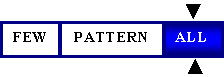
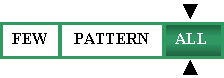
Click here for definitions Click here for definitions Click here for definitions Click here for definitions
Minimal Citation - No Harm Minimal Harm Actual Harm Serious Harm
MEADOWCREST REHABILITATION & HEALTHCARE CENTER
Inspection Results For:

There are  36 surveys for this facility. Please select a date to view the survey results.

Surveys don't appear on this website until at least 41 days have elapsed since the exit date of the survey.
MEADOWCREST REHABILITATION & HEALTHCARE CENTER - Inspection Results Scope of Citation
Number of Residents Affected
By Deficient Practice
Initial comments:Name: - Component: -- - Tag: 0000


Based on an Emergency Preparedness Survey completed on March 2, 2026, it was determined that Meadowcrest Rehabilitation and Healthcare Center, had deficiencies that have the potential for minimal harm as related to the requirements of 42 CFR 483.73.


 Plan of Correction:


403.748(a)(1)-(2), 416.54(a)(1)-(2), 418.113(a)(1)-(2), 441.184(a)(1)-(2), 482.15(a)(1)-(2), 483.475(a)(1)-(2), 483.73(a)(1)-(2), 484.102(a)(1)-(2), 485.542(a)(1)-(2), 485.625(a)(1)-(2), 485.68(a)(1)-(2), 485.727(a)(1)-(2), 485.920(a)(1)-(2), 486.360(a)(1)-(2), 491.12(a)(1)-(2), 494.62(a)(1)-(2) STANDARD Plan Based on All Hazards Risk Assessment:Least serious deficiency but was found to be widespread throughout the facility and/or has the potential to affect a large portion or all the residents. This deficiency has the potential for causing no more than a minor negative impact on the resident.
§403.748(a)(1)-(2), §416.54(a)(1)-(2), §418.113(a)(1)-(2), §441.184(a)(1)-(2), §460.84(a)(1)-(2), §482.15(a)(1)-(2), §483.73(a)(1)-(2), §483.475(a)(1)-(2), §484.102(a)(1)-(2), §485.68(a)(1)-(2), §485.542(a)(1)-(2), §485.625(a)(1)-(2), §485.727(a)(1)-(2), §485.920(a)(1)-(2), §486.360(a)(1)-(2), §491.12(a)(1)-(2), §494.62(a)(1)-(2)

[(a) Emergency Plan. The [facility] must develop and maintain an emergency preparedness plan that must be reviewed, and updated at least every 2 years. The plan must do the following:]

(1) Be based on and include a documented, facility-based and community-based risk assessment, utilizing an all-hazards approach.*

(2) Include strategies for addressing emergency events identified by the risk assessment.

* [For Hospices at §418.113(a):] Emergency Plan. The Hospice must develop and maintain an emergency preparedness plan that must be reviewed, and updated at least every 2 years. The plan must do the following:
(1) Be based on and include a documented, facility-based and community-based risk assessment, utilizing an all-hazards approach.
(2) Include strategies for addressing emergency events identified by the risk assessment, including the management of the consequences of power failures, natural disasters, and other emergencies that would affect the hospice's ability to provide care.

*[For LTC facilities at §483.73(a):] Emergency Plan. The LTC facility must develop and maintain an emergency preparedness plan that must be reviewed, and updated at least annually. The plan must do the following:
(1) Be based on and include a documented, facility-based and community-based risk assessment, utilizing an all-hazards approach, including missing residents.
(2) Include strategies for addressing emergency events identified by the risk assessment.

*[For ICF/IIDs at §483.475(a):] Emergency Plan. The ICF/IID must develop and maintain an emergency preparedness plan that must be reviewed, and updated at least every 2 years. The plan must do the following:

(1) Be based on and include a documented, facility-based and community-based risk assessment, utilizing an all-hazards approach, including missing clients.
(2) Include strategies for addressing emergency events identified by the risk assessment.
Observations:
Name: - Component: -- - Tag: 0006
Based on document review and interview, it was determined the facility failed to develop an emergency preparedness plan that included a facility and community risk assessment.

Findings include:

1. Documentation review on March 2, 2026, at 8:45 a.m., revealed that a facility and community risk assessment using an all-hazards approach was not updated in the emergency preparedness plan within the last twelve months.

Interview with the Facility Administrator and Maintenance Director on March 2, 2026, at 1:00 p.m., confirmed a risk assessment was not updated for the emergency preparedness plan within the last twelve months.


 Plan of Correction - To be completed: 04/07/2026

The facility has completed and incorporated the required risk assessment utilizing an all-hazards approach into the Emergency Preparedness Plan. The facility will complete and review the risk assessment on an annual basis, or more frequently as needed, to reflect any changes in facility operations, community risks, or identified hazards. The results of the risk assessment will be reviewed during QAPI.
Initial comments:Name: MAIN BUILDING 01 - Component: 01 - Tag: 0000


Facility ID#280302
Component 01
Main Building

Based on a Medicare/Medicaid Recertification Survey completed on March 2, 2026, it was determined that Meadowcrest Rehabilitation and Healthcare Center was not in compliance with the following requirements of the Life Safety Code for an existing health care occupancy. Compliance with the National Fire Protection Association's Life Safety Code is required by 42 CFR 483.90(a).

This is a one-story, Type III (200), unprotected ordinary building, with a basement, that is fully sprinklered.


 Plan of Correction:


NFPA 101 STANDARD Sprinkler System - Maintenance and Testing:This is a less serious (but not lowest level) deficiency but was found to be widespread throughout the facility and/or has the potential to affect a large portion or all the residents.  This deficiency is one that results in minimal discomfort to the resident or has the potential (not yet realized) to negatively affect the resident's ability to achieve his/her highest functional status.
Sprinkler System - Maintenance and Testing
Automatic sprinkler and standpipe systems are inspected, tested, and maintained in accordance with NFPA 25, Standard for the Inspection, Testing, and Maintaining of Water-based Fire Protection Systems. Records of system design, maintenance, inspection and testing are maintained in a secure location and readily available.
a) Date sprinkler system last checked _____________________
b) Who provided system test ____________________________
c) Water system supply source __________________________
Provide in REMARKS information on coverage for any non-required or partial automatic sprinkler system.
9.7.5, 9.7.7, 9.7.8, and NFPA 25
Observations:
Name: MAIN BUILDING 01 - Component: 01 - Tag: 0353

Based on observation and interview, it was determined the facility failed to maintain the automatic fire sprinkler system in multiple instances throughout the building, affecting the entire building.

Findings include:

1. Observation on March 2, 2026, at 9:15 a.m., revealed the entire building's standard response sprinkler heads were in excess of 50 years old and need replaced or representative samples tested.

Interview with the Facility Administrator and Maintenance Director on March 2, 2026, at 1:00 p.m., confirmed the automatic sprinkler system deficiency.


 Plan of Correction - To be completed: 04/07/2026

The facility has contracted with a qualified vendor to complete testing of the existing sprinkler heads throughout the building due to their age exceeding 50 years for 3/17/26. Based on the results of the testing, any sprinkler heads identified as failing testing or requiring replacement will be replaced. Documentation of testing results and any replacements will be maintained on file. Results of the sprinkler head testing and any corrective actions taken will be reviewed during QAPI.
NFPA 101 STANDARD Fire Drills:Least serious deficiency but was found to be widespread throughout the facility and/or has the potential to affect a large portion or all the residents. This deficiency has the potential for causing no more than a minor negative impact on the resident.
Fire Drills
Fire drills include the transmission of a fire alarm signal and simulation of emergency fire conditions. Fire drills are held at expected and unexpected times under varying conditions, at least quarterly on each shift. The staff is familiar with procedures and is aware that drills are part of established routine. Where drills are conducted between 9:00 PM and 6:00 AM, a coded announcement may be used instead of audible alarms.
19.7.1.4 through 19.7.1.7
Observations:
Name: MAIN BUILDING 01 - Component: 01 - Tag: 0712

Based on documentation review and interview, it was determined the facility failed to perform one of twelve required fire drills, in the previous twelve months.

Findings include:

1. Review of documentation on March 2, 2026, at 8:55 a.m., revealed the facility lacked documentation for one of twelve required drills. The fire drill for the first shift, second quarter was missing.

Interview with the Facility Administrator and Maintenance Director on March 2, 2026, at 1:00 p.m., confirmed the facility lacked documentation for one of the fire drills.


 Plan of Correction - To be completed: 04/07/2026

The facility will ensure that all required fire drills are conducted and documented, including drills for all shifts and quarters. The Administrator or designee will audit fire drill documentation monthly for 3 months to ensure that all required drills are completed. The results be reviewed through the facility's QAPI.

Back to County Map


Home : Press Releases : Administration
Health Planning and Assessment : Office of the Secretary
Health Promotion and Disease Prevention : Quality Assurance


Copyright © 2001 Commonwealth of Pennsylvania. All Rights Reserved.
Commonwealth of PA Privacy Statement

Visit the PA Power Port