Pennsylvania Department of Health
COMPLETE CARE AT HARSTON HALL LLC
Patient Care Inspection Results

Note: If you need to change the font size, click the "View" menu at the top of the page, place the mouse over the "Text Size" menu item, and select the desired font size.

Severity Designations

Click here for definitions Click here for definitions Click here for definitions Click here for definitions
Minimal Citation - No Harm Minimal Harm Actual Harm Serious Harm
COMPLETE CARE AT HARSTON HALL LLC
Inspection Results For:

There are  175 surveys for this facility. Please select a date to view the survey results.

Surveys don't appear on this website until at least 41 days have elapsed since the exit date of the survey.
COMPLETE CARE AT HARSTON HALL LLC - Inspection Results Scope of Citation
Number of Residents Affected
By Deficient Practice
Initial comments: Based on an Abbreviated Survey in response to two complaints completed August 28, 2026, it was determined that Complete Care at Harston Hall, was not in compliance with the following Requirements of 42 CFR Part 483, Subpart B, Requirements for Long Term Care Facilities and the 28 Pa. Code, Commonwealth of Pennsylvania Long Term Care Licensure Regulations related to the health portion of the survey process.
 Plan of Correction:


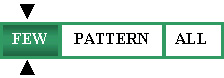
483.10(e)(3) REQUIREMENT Reasonable Accommodations Needs/Preferences:This is a less serious (but not lowest level) deficiency and is isolated to the fewest number of residents, staff, or occurrences. This deficiency is one that results in minimal discomfort to the resident or has the potential (not yet realized) to negatively affect the resident's ability to achieve his/her highest functional status.
§483.10(e)(3) The right to reside and receive services in the facility with reasonable accommodation of resident needs and preferences except when to do so would endanger the health or safety of the resident or other residents.
Observations: Based on interviews and the review of clinical records, it was determined that the facility failed to assess the request for an accommodation of need for one of two residents reviewed (Resident R1). Findings include: Review of Resident R1's clinical record revealed the resident has the following diagnoses hypertension (high blood pressure); cerebral infarction (stroke - brain damage); diabetes (a group of diseases that affect how the body uses blood sugar/glucose); anxiety (intense, excessive and persistent worry and fear about everyday situations) and dementia (decline in memory or other thinking skills severe enough to reduce a person's ability to perform everyday activities). Review of facility documentation indicated that Resident R1 fell in the hallway, next to the nurse's station, when the resident stood up from the chair that she was sitting in and walked away. Continued review of facility documentation regarding the fall indicated that Resident R1 was sent out to the hospital on August 23, 2026, where it was found that Resident R1 sustained a left humerus fracture (a broken left arm). Review of Resident R1's nursing notes indicated that the resident returned to the facility the following day, August 24, 2026. Interview with Resident R1's representative on August 28, 2026, at 11:26 a.m. revealed on August 25, 2026, after Resident R1's readmission to the facility, the family requested for the resident to have a bed alarm (alerting devices intended to monitor a resident's movement. The devices emit an audible signal when the resident moves in certain ways). Resident R1's representative reported he/she was informed by the Director of Nursing that a bed alarm is considered "a restriction". Resident R1's representative expressed concern regarding Resident R1's fall and the desire for a bed alarm, as the representative believes it could be beneficial for Resident R1. Review of Resident R1's clinical record revealed no documented evidence an evaluation was completed to assess the appropriateness of the bed alarm, per the resident's daughter's request. Review of Resident R1's clinical record failed to contain documented evidence that the resident's physician was included in the evaluation. During an interview with the Director of Nursing (DON) on August 28, 2026, at 1:30 p.m. the Director of Nursing reported that she spoke with Resident R1's representative on August 25, 2026, regarding her request for Resident R1 to have a bed alarm in response to the fall and subsequent fracture. During the above referenced interview, the DON reported that she informed Resident R1's representative that the bed alarm is considered a restraint, and it not something that the facility would utilize as an intervention to prevent the resident from falling. It was confirmed with the DON during the above referenced interview that despite the facility informing the daughter of its practice to not utilize devices such as bed alarms, the facility did not evaluate the appropriateness of the bed alarm, as a result of the resident's daughter's request for it to be utilized for her mother. Continued interview with the DON it was discussed if there were any other interventions that the facility could use in lieu of the bed alarm that the daughter requested for her mother (e.g.15 minute checks, etc.), and the DON reported that there was no other interventions discussed with the daughter that could be utilized in place of the bed alarm to address the daughter's concern of her mother falling out of bed. 28 Pa. Code 201.14 (a) Responsibility of licensee. 28 Pa. Code 211.12 (d)(5) Nursing services.
 Plan of Correction - To be completed: 09/18/2026

R1 was evaluated for appropriateness for the use of a bed alarm at the time of the daughter's request. R1 on 8/28/26 was reevaluated by Director of Nursing and Nurse Practitioner for the appropriateness of a bed alarm. Documentation was completed to reflect evaluation of bed alarm use. Director of Nursing spoke with R1 daughter 8/28/26 to discuss reevaluation of bed alarm use, previous and current fall interventions.

All residents with a family request for use of a bed alarm have the potential to be affected by this deficient practice.

Nursing management team will be educated by Staff Development Educator on the Documentation in Medical Record policy and evaluation for family requested bed alarm use.

Audits will be done weekly x4 then monthly x2 for any requests for use a bed alarm and appropriate documentation. Results of audits will be brought to monthly QAPI meetings for review and recommendations


Back to County Map


Home : Press Releases : Administration
Health Planning and Assessment : Office of the Secretary
Health Promotion and Disease Prevention : Quality Assurance


Copyright © 2001 Commonwealth of Pennsylvania. All Rights Reserved.
Commonwealth of PA Privacy Statement

Visit the PA Power Port